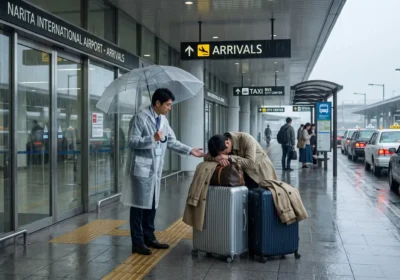
How to Meet Local People in Japan Respectfully
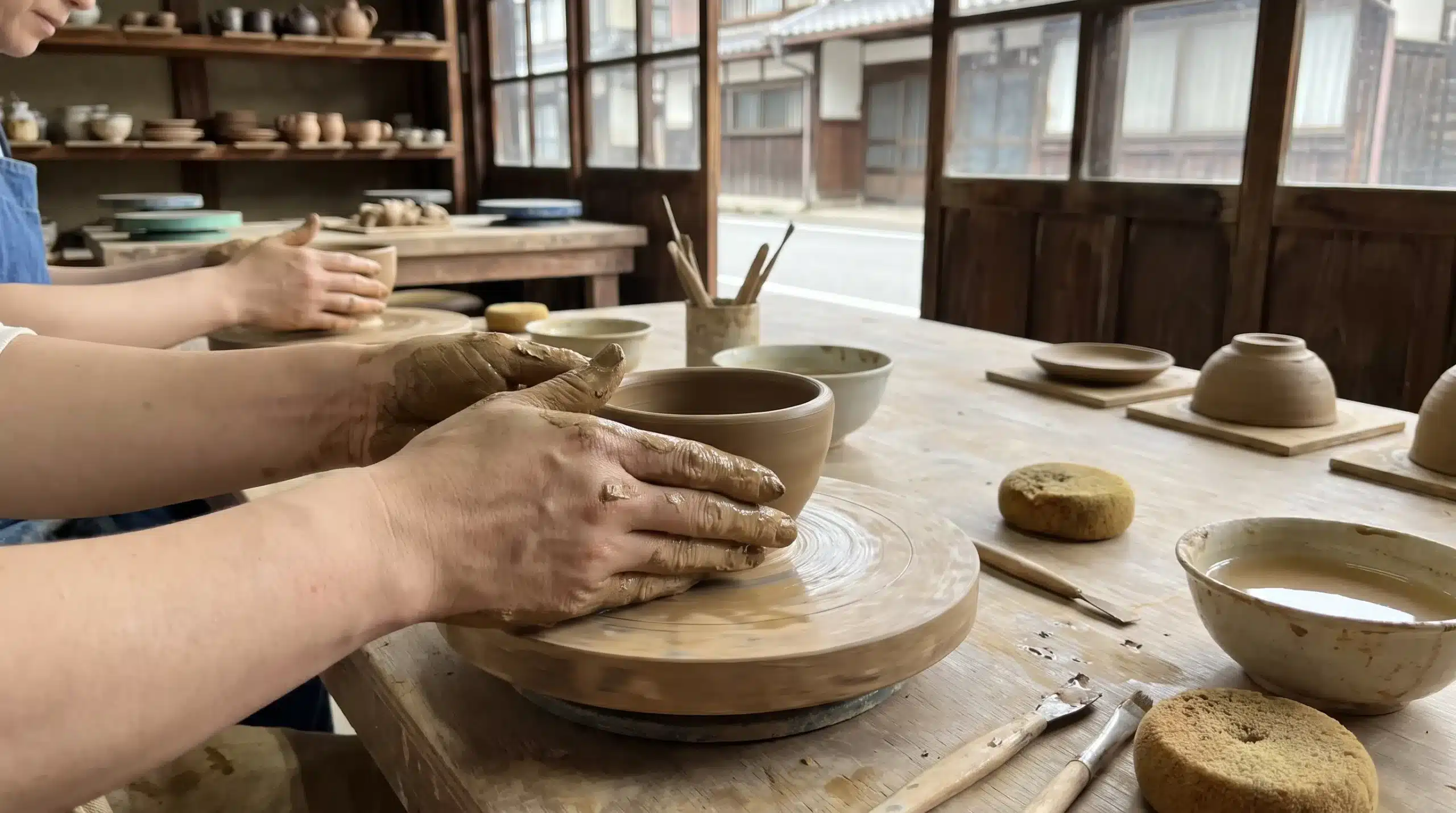
You may want to meet local people in Japan but be unsure where conversation is welcome, how much Japanese you need or when an approach becomes an interruption. The most respectful starting point is a setting where people have chosen to participate. A public workshop, an advertised language exchange or a shared-interest gathering creates a clearer invitation than approaching someone who is working, commuting or spending time with family.
A respectful approach to meet local people
Aim for a shared activity rather than access to someone’s private life. Residents have different interests, schedules and levels of comfort with visitors. A brief conversation can be worthwhile without becoming a friendship, an invitation home or an exchange of contact details.
Choose settings where participation is welcome
Look for activities that explicitly accept visitors or new participants. Check the organiser’s description rather than assuming that an event appearing online is open to everyone.
| Setting | What to check beforehand | Respectful approach |
|---|---|---|
| Language exchange | Languages, format and registration requirements | Give both languages attention rather than expecting translation help |
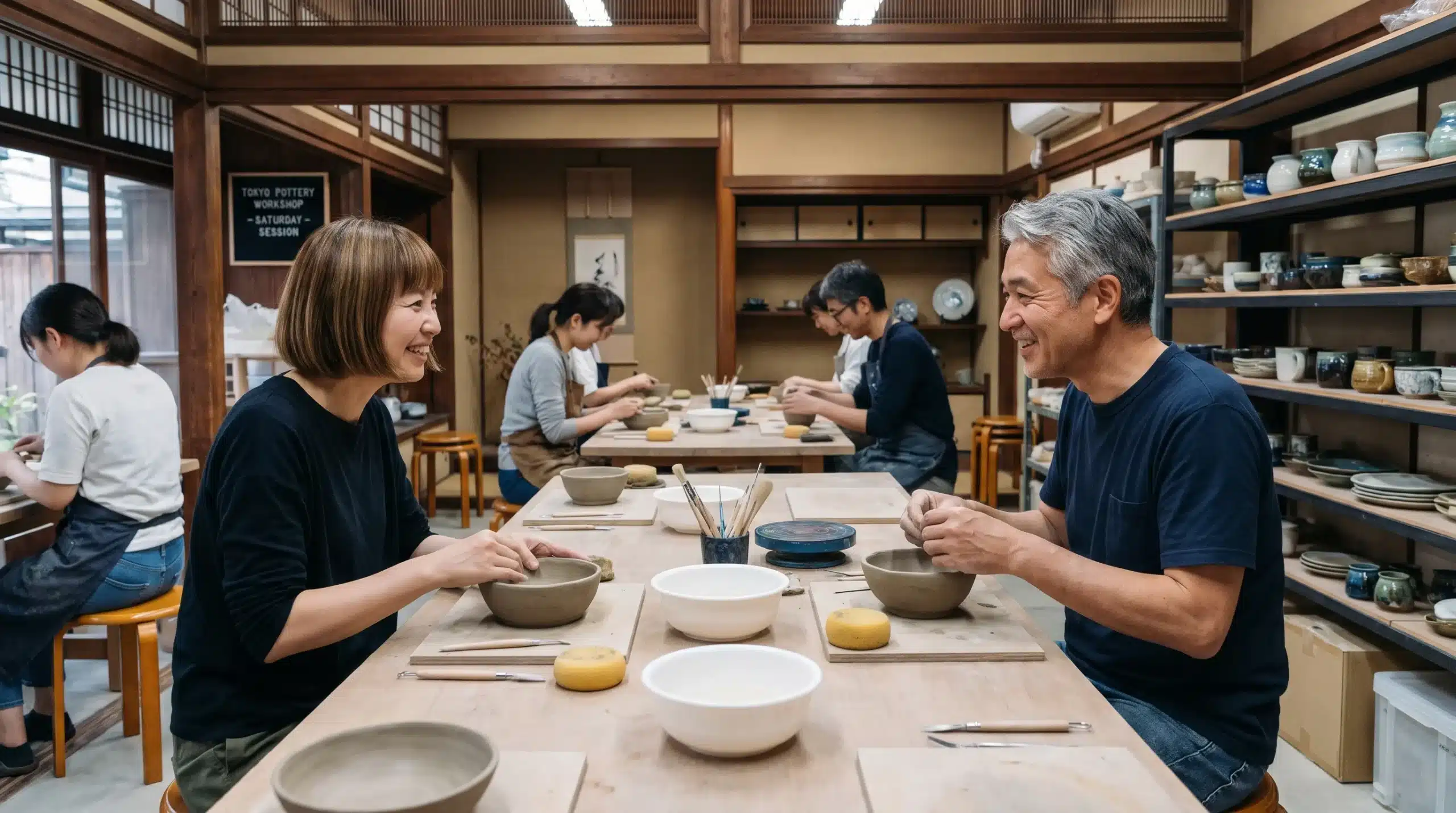
| Craft or cooking workshop | Visitor participation, instruction language and accessibility | Focus on the activity and follow the host’s instructions |
| Hobby gathering | Experience level, equipment and guest policy | Explain your interest and ask whether occasional visitors can join |
| Public community event | Public access, registration and photography rules | Observe first and follow organisers’ directions |
| Professional meetup | Topic, working language and attendance conditions | Introduce a specific interest without making an unsolicited sales pitch |
To meet local people through an event, choose something you would enjoy even if conversation remains brief. That removes pressure from both sides.
Platforms such as Meetup can help you discover advertised gatherings, but listings are not endorsements. Read the description, check recent activity and confirm the venue directly with the organiser where necessary.
A shop, café or bar can also allow a conversation to develop naturally. Buying something does not entitle you to a staff member’s time beyond the service being provided. Avoid holding up a queue or interrupting someone’s work.
Prepare a short introduction and a shared interest
You do not need fluent Japanese to attend every activity. You do need an accurate understanding of its language requirements. An event advertised in Japanese may not provide interpretation, and other participants are not automatically available to translate.
Prepare a short introduction: your name, where you are visiting from and why the activity interests you. A concrete subject, such as ceramics, gardening or photography, gives the other person something manageable to respond to.
For professional gatherings, a course or project can provide useful common ground. Providers such as Academia Europea UpSkilling offer learning in business, technology and creativity. If you already study one of those subjects, discussing a specific idea is more approachable than asking someone to explain Japanese working life in general.
A few phrases can help you meet local people without demanding a long conversation:
| Japanese | Meaning |
|---|---|
| Sumimasen, ima daijōbu desu ka? | Excuse me, is now a good time? |
| Nihongo wa sukoshi dake hanasemasu. | I speak only a little Japanese. |
| Mō ichido onegai shimasu. | Could you say that again, please? |
| Ohanashi dekite ureshikatta desu. | It was nice talking with you. |
Use a translation app for short exchanges when the other person agrees. Do not hold a phone close to someone’s face or record their voice without permission.
Keep conversation reciprocal and easy to leave
Begin with the activity or immediate setting. Ask about a technique during a workshop, a book at a reading group or the event itself. Avoid treating one person as a representative of an entire country.
Personal questions need context. Income, relationships, religion and political views are not suitable opening subjects simply because you are curious about life in Japan. Likewise, someone’s appearance does not tell you their nationality, language or connection to the area.
If you want to meet local people respectfully, make declining easy. Short replies, attention returning to work or an attempt to end the exchange are sufficient reasons to stop. You do not need to establish whether the person is shy, busy or uninterested.
Offer something of your own to the conversation rather than asking a succession of questions. At a language exchange, take turns and respect the advertised format. It is not an opportunity to obtain unpaid interpretation, restaurant bookings or help with official documents.
Before exchanging contact details, ask once. If the answer is uncertain, leave it there. A friendly encounter does not create an obligation to continue communicating.
Ask before photographing or sharing
Permission to talk is not permission to take a photograph. Ask before photographing an identifiable person, including a workshop host or someone wearing traditional clothing.
Explain separately if you intend to publish the image on social media. Someone may accept a private photograph but not public posting. For children, obtain permission from their parent or guardian and respect any venue restrictions.
Public access also does not make every part of a neighbourhood available to visitors. Follow signs, remain outside private property and do not enter residential buildings or private lanes to seek an interaction. An invitation from an authorised host is different from an open door.
Adjust your approach beyond major cities
In regional cities, small towns, islands and rural areas, there may be fewer regularly advertised international gatherings. Start with municipal event listings, local tourism associations or the organiser of an activity you genuinely want to attend.
Ask whether visitors can participate, whether advance registration is needed and what language will be used. Some community activities exist primarily for residents or members. Respect a refusal rather than arriving and asking participants to make an exception.
It is possible to meet local people outside major destinations, but a smaller community is not automatically more available to visitors. Do not treat ordinary work, religious observance or family activities as opportunities arranged for your benefit.
For longer stays, returning to the same open activity can create familiarity. For a short visit, a structured session may be more realistic than expecting an ongoing social connection.
Check the return journey before committing, particularly where buses, ferries or other connections are limited. Leaving an event early to catch transport is preferable to relying on someone you have just met for a lift.
Keep safety and access practical
For an initial meeting arranged online, choose an established public venue. Keep independent transport options, tell someone where you are going and avoid sharing accommodation details unnecessarily. These precautions are reasonable without assuming that other participants are a threat.
Check the purpose of the gathering. A social event, a dating event and a commercial networking session involve different expectations. Leave if the actual arrangement differs materially from what was advertised or if you feel pressured to buy something, donate money or disclose personal information.
Parents and guardians should confirm whether children can attend and remain responsible for their supervision. An adult social gathering may not be suitable for families even when the venue admits children.
Before you meet local participants at an unfamiliar venue, ask about any access requirements that affect your attendance. This might include step-free entry, seating, toilet access, food ingredients or a quiet space. Give the organiser time to answer rather than expecting changes on arrival.
Understand the boundary between social contact and paid help
Social contact and practical assistance serve different purposes. A new acquaintance is not responsible for navigating a station, interpreting a medical conversation or resolving an accommodation problem.
Japan Hand provides local human help booked by time. Depending on the request, a helper can assist with Japanese communication, telephone enquiries, restaurant arrangements or practical access needs. This is a service relationship, not a promise of friendship or an introduction to someone’s private social circle.
If your aim is to meet local people over a home-cooked meal, use an arrangement where the host has explicitly agreed to welcome visitors. Japan Hand’s article on arranging a Japanese home-cooked meal respectfully explains the boundaries to establish beforehand.
Japan Hand operates nationwide, including regional airports, small towns, islands and rural destinations. Helpers work in a range of languages beyond English. The language, location, timing and task should be confirmed for each request.
You may not need help at all. If an organiser accepts direct registration and you can manage the activity’s language requirements, arrange it yourself. The distinction between social participation and hiring a local helper for practical tasks is useful when deciding what support is actually necessary.
Frequently asked questions
Can I meet people in Japan without speaking Japanese? Yes, particularly at activities that explicitly welcome participants in a language you speak. Confirm this beforehand. A translated event listing does not establish that interpretation will be available.
Is Meetup a dating service? Meetup is an event and interest-group platform, not specifically a dating service. Individual groups have different purposes. Read the event description and conduct expectations rather than assuming that attendance signals romantic interest.
Is approaching people in the street a good way to meet local residents? It is generally less suitable than an activity where conversation is expected. Someone may be commuting, working or simply prefer privacy. If you do speak, keep the opening brief and accept disengagement immediately.
Can a helper guarantee introductions or invitations? No. A helper can assist with enquiries and practical arrangements, but participation depends on the organiser and other people’s consent. Private invitations, friendships and continued contact cannot be promised.
Arrange help for a specific task
If language or practical arrangements prevent you from joining an activity, review Japan Hand’s local assistance services and use the contact form to explain the location, date, preferred language and support needed. The price depends on the specifics. Every request receives a quote before anything is agreed, with no obligation.