How to Choose Attraction Places in Japan With Limited Time
How to Choose Japan Attraction Places With Limited Time
A search for “japan attraction places” produces long lists, but a long list does not tell you what will fit into your available day. Transfers, queues, luggage storage and finding a suitable meal can take time that a map does not show. The practical task is to choose places you can enjoy without putting your next connection or return journey at risk.
Start with your fixed commitments, then select one main attraction and nearby alternatives. A shorter, workable shortlist is more useful than a schedule that depends on every connection going perfectly.
Filter Japan attraction places by usable time
Your sightseeing window begins when you are ready to leave, not when your flight lands or train arrives. It ends when you must start returning, not at your departure time.
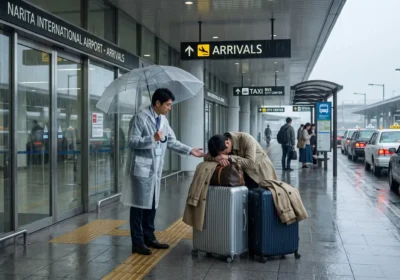
Allow separately for immigration where applicable, collecting luggage, reaching accommodation and getting back to the correct station or terminal. For cruise passengers, use the ship’s all-aboard deadline and the actual terminal location, rather than the advertised port city alone.
Use these filters before comparing attractions:
| Filter | Question to answer | Reason to exclude a place |
|---|---|---|
| Access | Can you confirm admission for your date? | Entry depends on an unavailable ticket |
| Transport | Is the complete outward and return route workable? | A missed connection leaves no reliable return |
| Physical demands | Are the walking distance, slopes and stairs suitable? | The visit exceeds your group’s comfortable capacity |
| Weather | Is the main activity worthwhile in poor conditions? | Its main appeal depends on visibility or outdoor access |
| Personal interest | Would you still choose it without its reputation? | It adds travel without meeting a genuine preference |
For a first draft, choose one main attraction for each half-day. Add another only after checking the complete route and allowing time for meals, rest and delays.
The right Japan attraction places are those that survive these checks, not necessarily those that appear most often in search results. Keep an unbooked alternative nearby so that one unavailable venue does not undo the day.
Compare compact districts before individual landmarks
Two famous places in the same city may be inconvenient to combine. A less prominent attraction beside your main stop can provide a better use of limited time than another landmark across town.
These examples are starting points for comparison, not fixed itineraries:
| Area | A focused choice | What to check before adding more |
|---|---|---|
| Tokyo, Asakusa | Sensō-ji and surrounding streets | Travel across the city can consume the remaining window |
| Kyoto, Arashiyama | A temple, riverside walk or another activity within the district | Stations, walking distances and crowding vary by route |
| Osaka, Nakanoshima | A museum or riverside visit | Each museum has its own admission arrangements and closure dates |
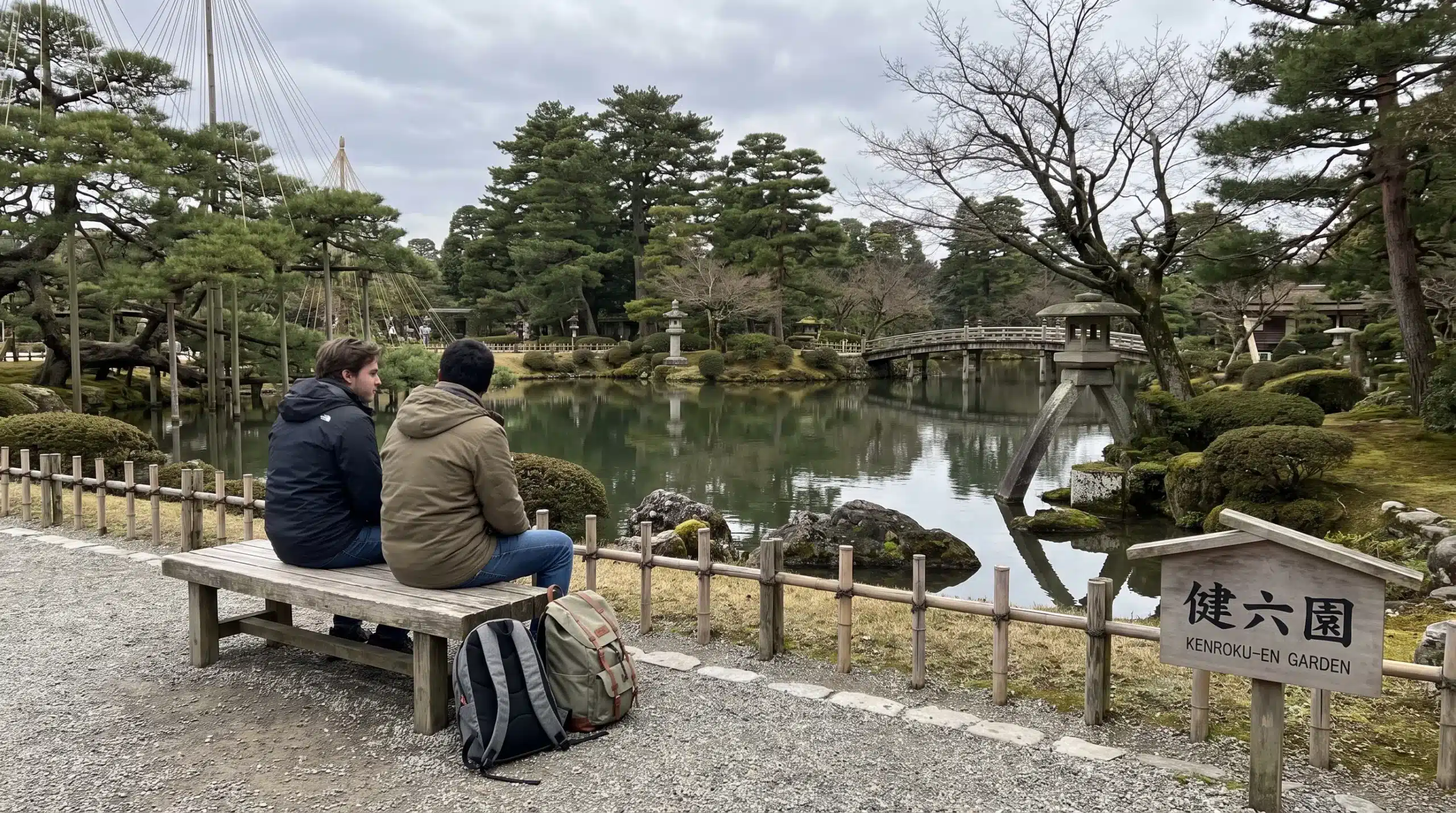
| Kanazawa | Kenroku-en and the neighbouring castle park | Garden terrain and the route from your accommodation |
| Hiroshima | Peace Memorial Park, with museum admission checked separately | A museum visit may need more attention and time than a brief stop |
| Takamatsu | Ritsurin Garden | The approach from your arrival point and walking within the garden |
When comparing Japan attraction places, look at the district around the attraction as well as the attraction itself. Nearby seating, food and an uncomplicated return route can determine whether the choice works.
Choose depth over a second transfer
Decide what you actually want to do at the main stop. Walking through a temple precinct, attending a scheduled activity and visiting an exhibition are different commitments, even when they appear under the same destination name.
If the attraction matters to you, give it enough time. Do not reduce every visit to a photograph simply to retain another place on the list.
A useful comparison is between one meaningful visit and two hurried ones. The first often leaves more room for meals, rest and unexpected delays.
Keep regional and island choices geographically focused
Limited time does not require staying in Tokyo or Kyoto. It does require choosing a sensible base. Regional airports can support a focused visit to a nearby city or rural area without adding a cross-country transfer.
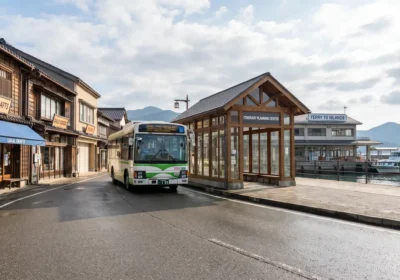
In Matsue, for example, compare activities within the city before adding another destination. On an island, check the ferry arrival point, onward transport and final usable return sailing before selecting attractions.
Small towns and rural destinations may have infrequent buses or activities arranged by telephone. Straight-line distance is a poor measure of how easily two places can be combined.
A regional shortlist of Japan attraction places should therefore follow the transport network, rather than a collection of photographs. Choose places on one workable route and verify the final connection back.
For a more detailed approach to last-mile transport and local arrangements, see Japan Hand’s advice on travelling beyond major Japanese cities.
Resolve booking-dependent choices first
Some attractions cannot function as flexible additions. Check their official admission arrangements before organising the surrounding day, then record the exact venue, entrance and booking conditions.
Confirm the venue, not just its name
teamLab operates several distinct venues that visitors can confuse. teamLab Borderless in Azabudai Hills and teamLab Planets in Toyosu are separate attractions, not interchangeable entrances to the same place. Confirm the venue through teamLab’s official website before arranging transport.
Likewise, do not plan around entry to the Ghibli Museum or a ticketed performance until you have confirmed availability through the relevant official channel. A helper cannot guarantee admission or a lottery result.
Keep booking-dependent Japan attraction places separate from flexible outdoor stops. If admission remains uncertain, retain a practical alternative rather than assuming someone can obtain a ticket later.
Separate Mount Fuji viewing from climbing
Viewing Mount Fuji and climbing it require different plans. A viewing visit depends on weather and visibility; no itinerary or helper can promise a clear view.
All four Mount Fuji climbing trails require an advance online reservation and a mandatory fee. The climbing season runs from July to early September, with exact dates and conditions requiring confirmation through the official Mount Fuji climbing website. Climbing is not a casual addition to a short sightseeing window.
In Kyoto, also check access restrictions. Entering Gion’s private alleys carries a fine, and photography restrictions are enforced. A public walking route does not make neighbouring private lanes accessible.
Remove luggage and meal friction before adding stops
A route that works with a small day bag may be unsuitable with suitcases. Check whether you can leave luggage at your accommodation or use storage near your arrival point. Do not assume that a station locker of the right size will be available.
Luggage forwarding can reduce what you carry between hotels, but acceptance conditions and delivery timing need confirmation. Keep medication, essential documents and anything needed before delivery with you. Several shinkansen routes require advance reservations for oversized luggage, so check the rules for your specific train.
Packing less also reduces handling time. At home, group clothing before filling a suitcase. MORALVE’s space-saving clothing hangers are one option for organising trousers and outfits in a wardrobe; the useful outcome for travel is identifying unnecessary duplicates, not bringing additional equipment.
Food deserves a place in the plan rather than being left to chance. If you have allergies or require halal food, establish a suitable meal option near the main attraction before adding another distant stop. A menu description alone may not answer questions about ingredients or preparation.
The most workable Japan attraction places leave room for these practical needs. For parents or guardians, that also means allowing for toilets, feeding and rest without treating every pause as a delay.
Set a return deadline and one optional stop
Build the day around two fixed points: any confirmed admission time and the time you must begin returning. Work backwards from your onward train, flight or ship deadline using the actual route.
Do not use the final possible connection as your default plan. A route requiring several changes needs more margin than a direct journey. Check what you would do if the intended service were cancelled or missed.
Between those fixed points, keep one main attraction and one optional stop. The optional stop should be easy to remove without affecting a reservation or transport commitment.
Use this simple decision rule: if reaching the optional stop requires a new ticket, substantial transfer or uncertain return, it is no longer a small addition.
Review your Japan attraction places again shortly before travel. Opening arrangements, admission procedures, seasonal access and transport schedules can change between planning and arrival. Save the confirmed details offline, including the venue address and return route.
Frequently asked questions
How many attractions should I plan for one day? Begin with one main attraction in each half-day, then assess the complete journey and your preferred pace. A large museum, mountain activity or island visit may reasonably occupy most of the day.
Should I book every attraction in advance? Confirm which places require reservations, but leave genuinely flexible stops flexible. Booking everything can make a short day harder to adjust when arrival or transport is delayed.
Do I need a helper for ordinary sightseeing? Often, no. If admission is straightforward and you can follow the route comfortably, booking directly and travelling independently may be sufficient. Consider support for a specific obstacle, such as Japanese-only communication, station navigation or an accessibility arrangement.
Request support for a specific obstacle
Japan Hand provides practical help, not sightseeing packages. Helpers support visitors nationwide, including regional airports, small towns, islands and rural destinations, with languages beyond English available. Review Japan Hand’s local travel support, then use the contact form on Japan Hand to describe your destination, date and specific task. Each request receives a quote before anything is agreed, with no obligation; admission, availability and weather cannot be guaranteed.