Everyday Travel Problems in Japan and How to Prepare
Everyday Travel Problems in Japan and How to Prepare
A payment is declined, a station exit has no lift or a restaurant needs a telephone call in Japanese. These everyday travel problems can interrupt an otherwise workable plan. The most useful preparation is not a longer itinerary, but a small set of offline information, realistic alternatives and a clear understanding of who can help when something goes wrong.
Build a recovery file for everyday travel
Keep essential information somewhere you can open without mobile data. A booking confirmation stored only in an email account is less useful if you cannot connect or sign in.
Save your accommodation name and address in Japanese, reservation references, transport details and travel insurer’s contact information. Carry a portable charger and keep a paper copy of essential addresses separately from your phone.
Record practical needs precisely. For mobility support, describe walking limits, stairs and equipment rather than simply requesting an “accessible” route. For allergies, name the ingredients and explain the seriousness of the reaction.
| Keep available offline | Why it helps |
|---|---|
| Accommodation address in Japanese | Staff can identify the correct property |
| Booking reference and contact details | Reservations are easier to locate |
| Relevant transport operator | Disruption information comes from the right source |
| Dietary or mobility requirements | Important details remain available without translation software |
| Insurance assistance details | You can seek instructions when medical support is needed |
For everyday travel, this recovery file is more useful than screenshots of every attraction. Update it when you change hotels and share the relevant details with another adult in your group.
When your card or phone does not work
Most Japanese bank branch ATMs cannot process foreign-issued cards. Convenience store and post office ATMs are generally better places to try, although acceptance still depends on the card, network and machine.
Carry more than one payment method and some cash. Check your bank’s overseas settings before departure and know how to contact it if a transaction is blocked. Repeatedly trying the same declined transaction is not a reliable solution.
Download maps and translation language files in advance. Check that your phone supports your intended SIM or eSIM and that it is not locked to another provider.
A transport IC card is useful, but it is not a universal payment method or a replacement for every train ticket. Acceptance varies by location and service. Confirm the payment method for a particular journey rather than assuming that a card used in one city will work everywhere.
When station navigation takes longer than expected
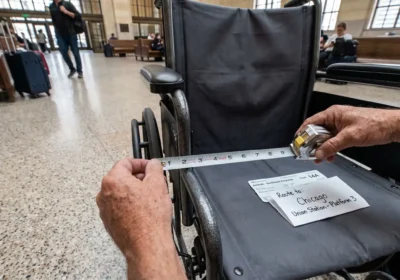
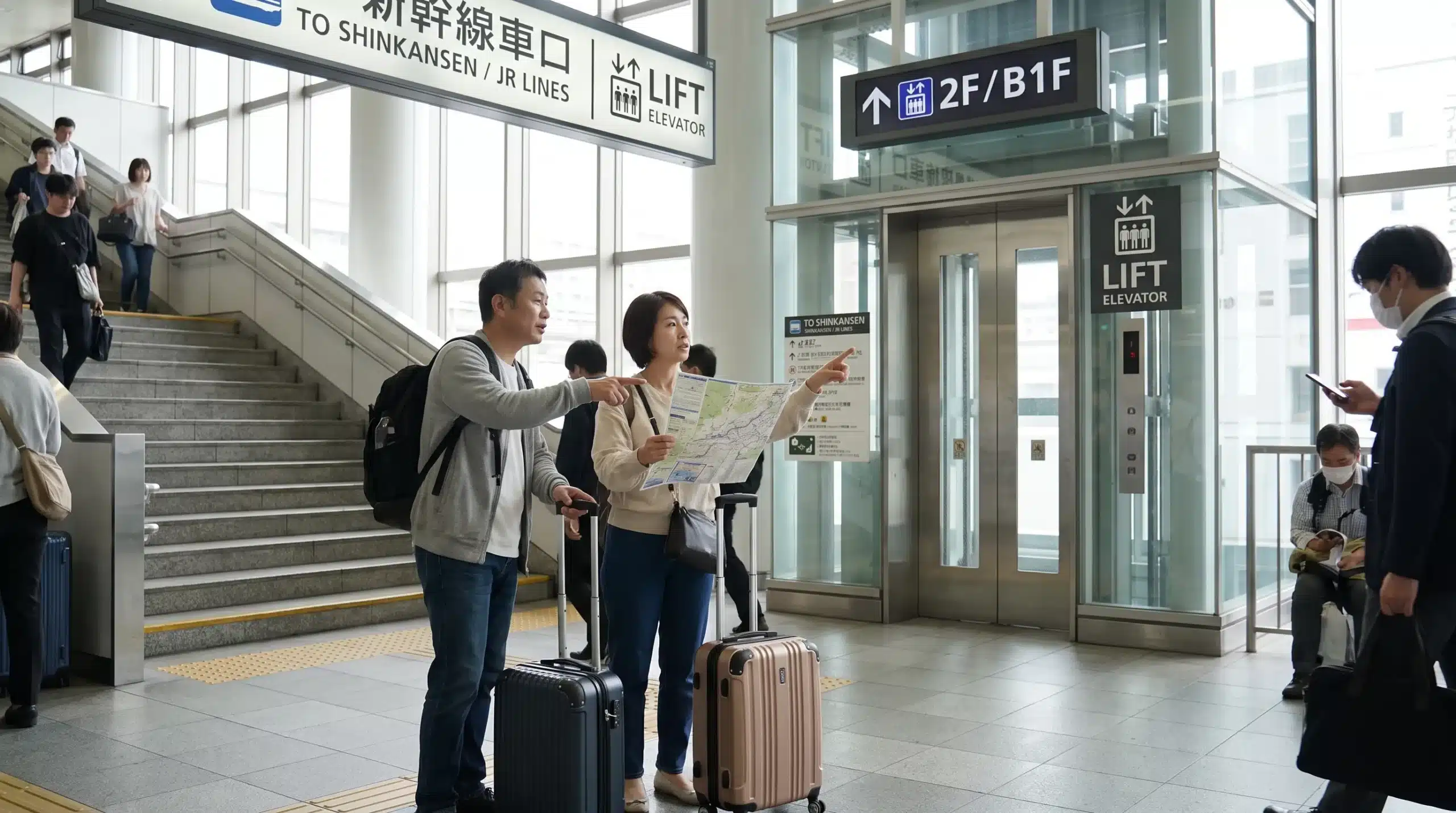
A journey planner may show a short interchange without accounting for your luggage, walking pace or the route to a lift. Large stations can also contain separate ticket gates for different operators.
Save the operator, service name, direction and destination, not just the departure time. Identify the station exit nearest your accommodation and check whether the route from that exit is manageable.
Everyday travel becomes more difficult when a connection leaves no time to recover from a wrong turn. Allow additional transfer time when travelling with children, substantial luggage or mobility requirements.
In regional cities, small towns and island destinations, check the final connection and the return journey. A train arriving at the nearest station does not establish that onward transport is available.
If the difficulty is navigating a particular interchange, Japan Hand’s explanation of station navigation and route support can help you identify the task to request. A helper can assist with the route, but cannot hold a departing train or override an operator’s rules.
When luggage makes the route impractical
Check luggage arrangements before choosing a train or forwarding a suitcase. On several shinkansen routes, oversized luggage requires an advance reservation for an appropriate baggage space. Consult the relevant operator’s current requirements, such as JR Central’s oversized-baggage information, against your actual luggage dimensions.
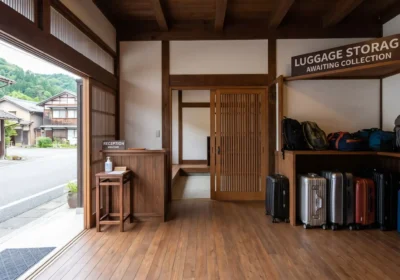
Hotel-to-hotel luggage forwarding can reduce the amount you carry through stations. Confirm that both properties can handle the delivery, establish the expected arrival date and check the carrier’s restrictions. Do not assume same-day delivery.
Keep medication, documents, valuables and enough clothing for the delivery interval with you. For everyday travel between several hotels, forwarding selected bags may be more practical than carrying everything at each transfer.
Separate household storage from travel luggage
If a long stay involves leaving household belongings in the United States, arrange that storage separately. Shipping containers from Lease Lane Containers are an option to assess for household storage in the continental US, not a substitute for luggage forwarding in Japan. Cross-border household shipments require separate arrangements with an appropriate moving or freight specialist.
When accommodation instructions are unclear
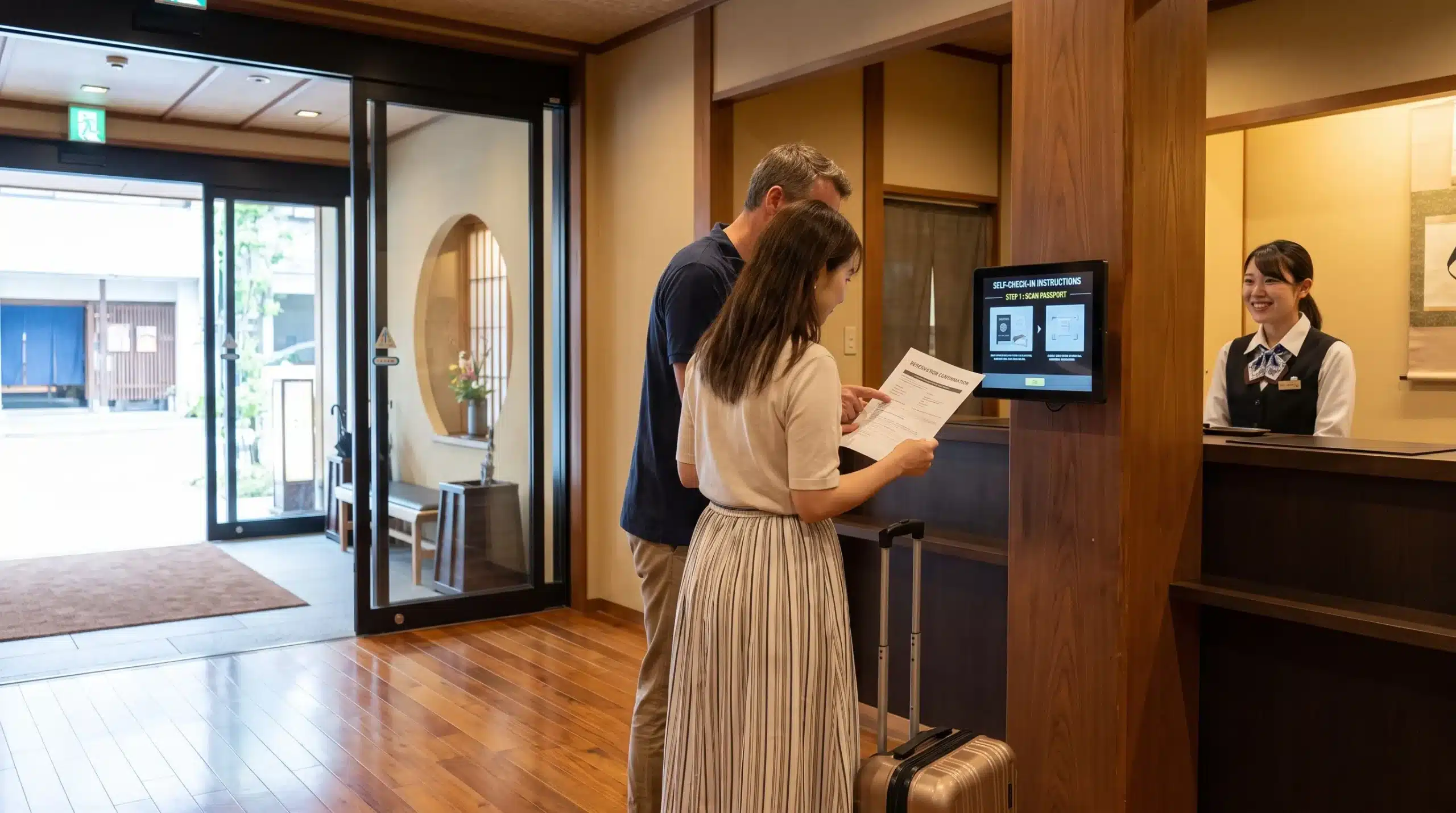
Some properties use self-check-in, separate reception locations or instructions sent shortly before arrival. Confirm how you will enter, where the entrance is and what to do if the access code does not work.
Check late-arrival procedures directly with the property. Do not assume someone will be present simply because your booking remains valid.
If there is a disagreement about the reservation, preserve the confirmation and relevant messages. State the specific problem and the resolution you are requesting. A helper can assist with communication, but cannot compel a refund or change the property’s terms.
When a meal requires more than menu translation
Menu translation can identify a dish without establishing how it was prepared. Ingredients may appear in stocks, sauces, marinades or garnishes, and shared equipment can matter for allergies.
Treat dietary communication as an everyday travel task to complete before arrival at the restaurant. Explain the precise restriction and ask the kitchen specific questions. A translated card is useful, but it does not prove that the kitchen can safely accommodate the request.
For halal requirements, distinguish between avoiding pork, avoiding alcohol in preparation and requiring recognised halal certification. Ask about the standard you need rather than relying on a general description of the restaurant.
Japan Hand’s advice on planning food experiences around dietary and accessibility needs explains why requirements should shape the booking itself. A helper can make Japanese-language enquiries and relay the response, but cannot guarantee food safety or certification.
If the kitchen cannot provide sufficiently clear answers, choose another establishment. Where prayer access is also needed, confirm the location and access arrangements separately from the meal reservation.
When a routine problem becomes urgent
Illness or injury
For an immediate medical emergency in Japan, call 119. For an urgent police response, call 110. The Japan National Tourism Organization’s emergency information explains these services and other assistance options.
For non-emergency care, contact your insurer and an appropriate medical provider. Keep your medication list, allergy information and identification available.
A helper can support appointment enquiries, reception communication and practical navigation. Medical decisions belong to qualified clinicians. Do not wait for a marketplace enquiry to be answered before seeking emergency assistance.
Lost property
Record where and when you last had the item. For something left on a train, identify the operator, route, approximate time and carriage if known. A photograph or a distinctive description can help staff distinguish it from similar items.
Contact the likely holder promptly and keep enquiry references. Everyday travel records, including tickets and accommodation details, can help reconstruct where an item was lost.
A helper can make Japanese-language calls and assist with collection arrangements, but recovery is not guaranteed. A missing passport should also be reported to your embassy or consulate according to its instructions.
Cancelled transport or a missed final connection
Check the operator’s current notice before making a replacement booking. Establish which part of the journey has failed and whether your accommodation needs to be informed.
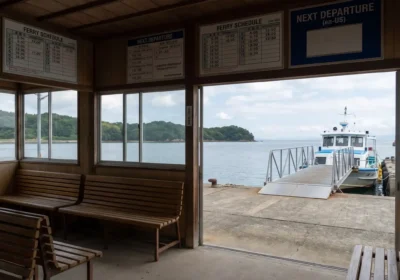
For ferries, regional buses and rural rail connections, do not assume another departure will follow shortly. Confirm that any alternative reaches the actual destination, not merely a nearby town.
If travelling with children or someone with limited mobility, prioritise a suitable place to wait and a workable onward route. Avoid making several uncertain replacement arrangements at once.
When a local helper is useful
A helper is most useful when a specific task requires Japanese-language communication, physical accompaniment or coordination between organisations. Examples include calling a restaurant about an allergy, helping through a difficult station transfer or communicating with a hotel about a check-in problem.
For everyday travel, request the task rather than a broad promise to “handle everything”. Give the location, date, language preference, relevant references and any mobility or dietary requirements. Explain what you have already tried.
Japan Hand provides practical support nationwide, including regional airports, small towns, islands and rural destinations. Helpers are available in a range of languages beyond English; state the language you need so suitability can be confirmed.
You may not need paid help if station staff can explain a platform change or your hotel can make a straightforward enquiry. Japan Hand’s overview of help with practical travel problems can help you distinguish a manageable task from one needing additional support.
Frequently asked questions
Should I reserve help for every transfer? No. A straightforward journey may be manageable with clear instructions and assistance from transport staff. Consider a helper where language, luggage, mobility or a difficult interchange creates a specific problem.
Can a helper obtain a restaurant table or ticket that is unavailable? Not necessarily. A helper can enquire, explain booking requirements and assist with permitted applications. Availability, lottery results and venue restrictions remain outside Japan Hand’s control.
Can I request a language other than English? Yes. Japan Hand offers multilingual support. Include your preferred language, location and required task so an appropriate match can be assessed.
How is the price determined? The price depends on the specifics of the request. Submit the details through Japan Hand’s contact form for a quote with no obligation before anything is agreed.
Request support for the task you need
If an everyday travel problem needs local assistance, review the relevant support options through Japan Hand and use the contact form to describe the task, location and preferred language. Include any deadline or access requirement. Every request receives a quote before anything is agreed, with no obligation.