Are Capsules in Japan Right for Your Overnight Stay?
Capsules Japan: Are Capsule Hotels Right for Your Overnight Stay?
Searches for capsules japan often begin with a practical problem: one night between a flight, a train connection, a concert, an early departure or a hotel check-in time that does not fit your route. Capsule hotels can be useful in Japan, but they are not simply small hotel rooms. They are a specific accommodation format with shared facilities, limited privacy and rules that vary from one property to another.
The right answer depends on your luggage, your comfort with shared spaces, your arrival time, your mobility needs and whether you are travelling alone or with others. A capsule can reduce friction for one traveller with a small bag. It can make a family transfer day more difficult. Before booking, it is worth understanding what you are actually reserving.
What a capsule hotel usually provides
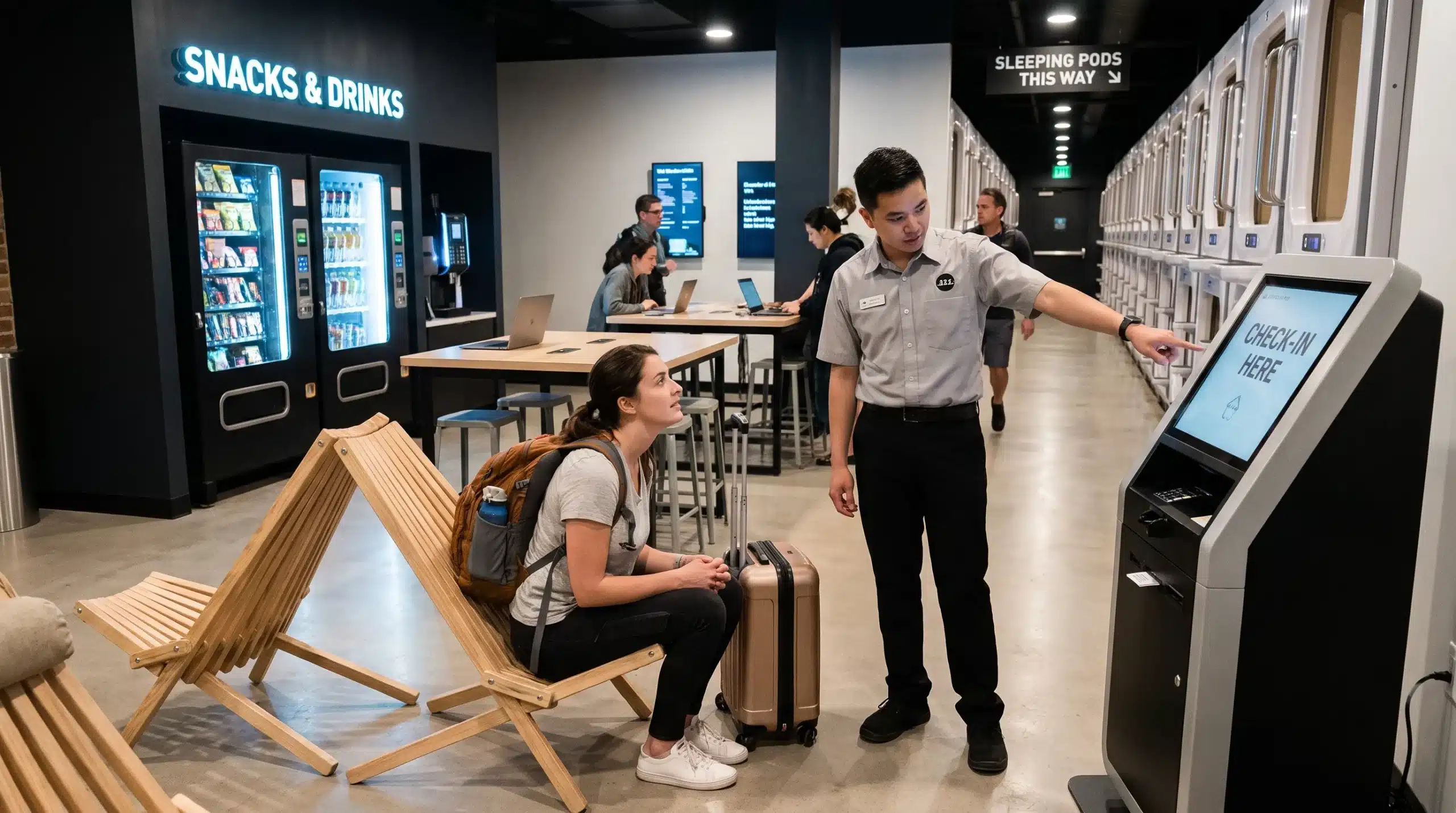
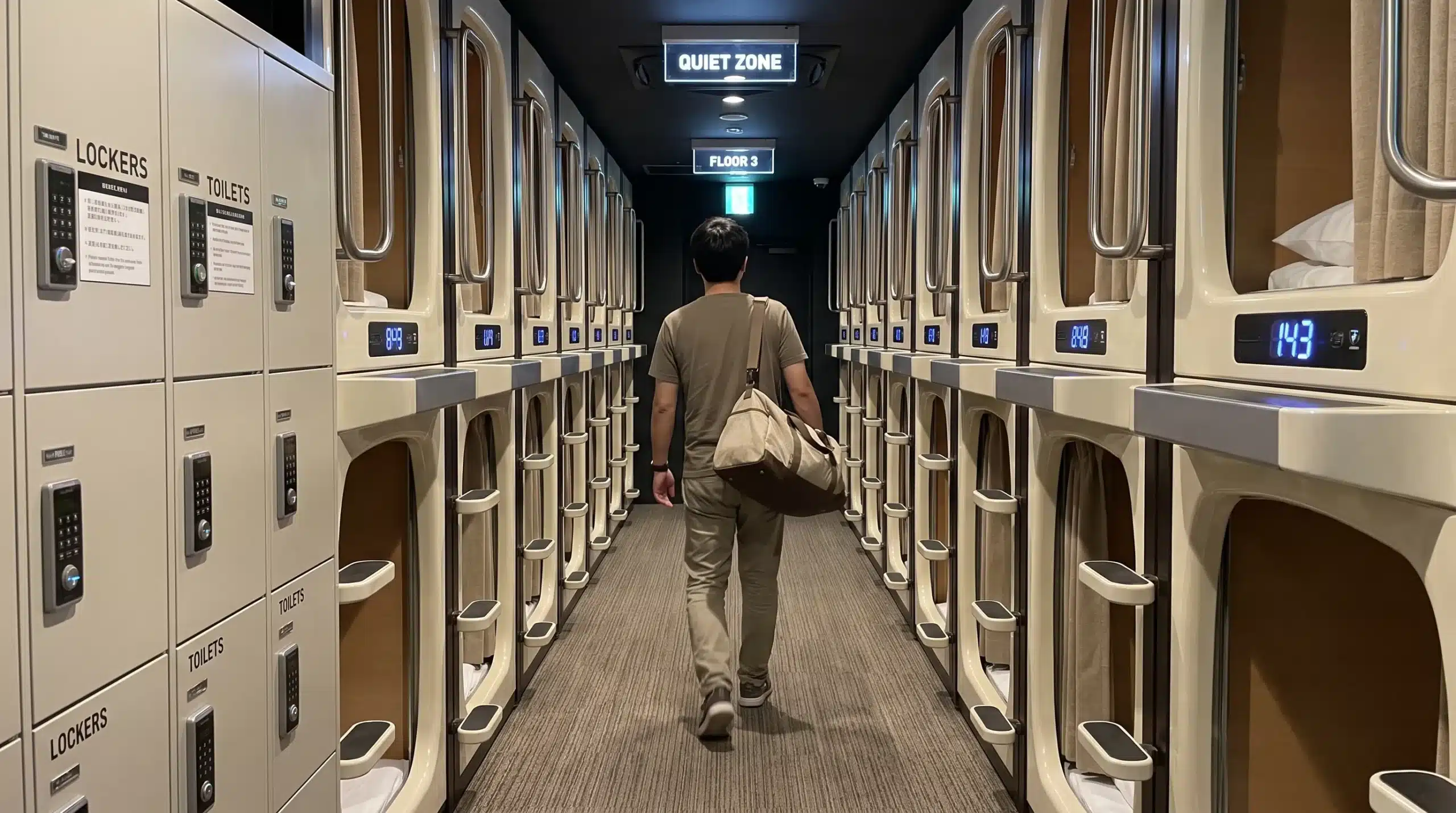
A capsule hotel generally provides a sleeping unit large enough to lie down in, with shared bathrooms, toilets and common areas. The capsule itself may have a blind, curtain or sliding screen rather than a lockable solid door. This is normal for the format, but it can surprise travellers who expected a private room.
For many visitors comparing capsules Japan with ordinary hotels, the key distinction is not size alone. The more important differences are privacy, sound, luggage handling and bathroom arrangements. You may be sleeping in a corridor of stacked units, with other guests entering and leaving at different times.
The parts that vary by property
Capsule hotels are not all the same. Some are basic overnight facilities near stations. Others are more polished, with lounges, saunas, women-only floors or larger cabin-style units. Do not assume that one capsule hotel represents the whole category.
Check these points before reserving:
- Gender arrangements: Some properties are men-only, women-only or separated by floor. Mixed booking pages can still lead to separated sleeping areas.
- Luggage storage: Lockers may not fit large suitcases. Some properties store suitcases at reception, but space and procedures differ.
- Check-in rules: Late arrival may be possible at some properties, but not all. Check the exact rule for your date.
- Bathing facilities: Showers, public baths and sauna facilities vary. Tattoo policies may also vary where shared bathing is involved.
- Multi-night stays: Some capsule hotels require guests to leave the sleeping area during daytime cleaning, even for consecutive nights.
When capsule hotels work well
Capsules Japan can be practical when the accommodation is part of a short, simple overnight plan. The format often suits travellers who need sleep near a station or airport area and who do not need much space once they arrive.
A capsule may work well if you are travelling alone, carrying light luggage and comfortable with quiet shared facilities. It can also suit visitors who understand the property rules clearly and have already planned how to reach the building, especially if arriving after dark or after a long transfer.
Airport and station overnights
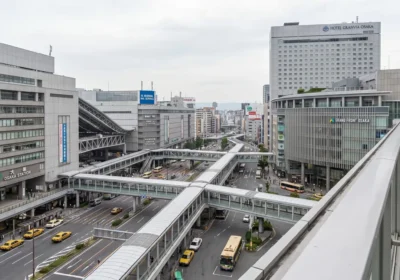
Capsule hotels near airports and major railway stations can be useful when a conventional hotel stay would be inconvenient for a short gap. The main risk is not the capsule itself, but the transfer to it. Large stations in Japan can be difficult to navigate with luggage, and some late-night routes involve long walks, stairs or exits that are not obvious in English.
If the arrival is the stressful part, Japan Hand can arrange airport arrival support so a helper can assist with practical steps such as transport, communication and getting oriented on the first day. If you can manage the route yourself, you may not need help.
Solo travellers and short urban stays
Solo travellers often find capsule hotels easier than groups do. The booking is simpler, the sleeping arrangement is clearer and there is less need to coordinate luggage or bathroom timing with others. Solo female travellers should look carefully at floor arrangements, entrance procedures and bathroom access rather than relying only on the general description.
For a short stay in a large city, a capsule hotel can be a reasonable choice if you value location over space. In regional cities, small towns and islands, capsule options may be limited or absent. Japan Hand operates nationwide, including regional airports and rural destinations, so support can be arranged where English-language infrastructure is thin.
| Situation | Capsule may work if | Consider another option if |
|---|---|---|
| One-night rail connection | You have light luggage and a clear route | You have large suitcases or need step-free access |
| Late airport arrival | The property accepts your arrival time | You are unsure about transport after landing |
| Solo city stay | You are comfortable with shared facilities | You need a private bathroom or quiet room |
| Family transfer day | Rarely ideal unless rules clearly allow it | You need children nearby and luggage in the room |
| Regional travel | A suitable property exists near your route | There are few local options or limited transport |
Capsules Japan: when the format is a poor fit
Capsules Japan are not the right accommodation choice for every traveller. The problems usually appear around luggage, privacy, family needs, accessibility and dietary planning rather than the sleeping capsule itself.
Families with children
Capsule hotels are often a poor fit for families. Many properties have age rules, gender-separated floors or sleeping units that make it difficult for a parent or guardian to stay close to a child. Even where children are allowed, the shared facilities and quiet sleeping areas can be stressful for families arriving tired or moving between cities.
A conventional hotel room is usually more practical for parents managing luggage, food, bathing and bedtime. If a capsule property looks attractive because of location, confirm the rules directly before booking.
Older travellers and mobility requirements
Capsules can involve steps, narrow entrances, low ceilings, upper units and shared bathrooms away from the sleeping area. Even where a lift is available in the building, the internal layout may not be suitable for a traveller who needs steady walking routes, seating, step-free movement or nearby facilities.
Travellers with mobility needs should not rely only on photos. Ask specific questions about lifts, capsule height, locker location, bathroom distance and the route from the nearest station exit. A helper can support route planning, but Japan Hand will not promise that a property is accessible unless the relevant details can be confirmed.
Large luggage and multi-city travel
Large suitcases are one of the main reasons capsule stays become difficult. A capsule sleeping space is not designed for open luggage. Lockers may be too small, reception storage may have limits and moving a heavy suitcase through a station at peak time can be harder than expected.
Several shinkansen routes also require an advance reservation for oversized luggage. If you are moving between hotels, it may be easier to send luggage ahead and carry only an overnight bag. Japan Hand can help with luggage forwarding and hotel-to-hotel transfer when the route, timing and addresses are suitable.
Privacy, noise and personal comfort
A capsule is not a private hotel room. You may hear alarms, footsteps, luggage zips or snoring. You may need to keep phone calls outside the sleeping area. If you are a light sleeper, need to work late or require a private bathroom, the format may cause more stress than it saves.
The practical question is not whether capsule hotels are good or bad. It is whether the specific property matches your overnight purpose.
Practical checks before you reserve
The practical challenge with capsules Japan is that booking pages can look simple while the rules are property-specific. Read the details slowly and do not rely only on map distance. A hotel that appears close to a station may still require stairs, a long underground passage or an exit that is inconvenient with luggage.
| Check | What to confirm | Why it matters |
|---|---|---|
| Location | Exact station exit and walking route | Large stations can add time and confusion |
| Arrival time | Latest check-in and front desk procedure | Late transport and flight delays can affect access |
| Luggage | Locker size and suitcase storage rules | Capsules do not function as luggage rooms |
| Sleeping unit | Upper or lower capsule, cabin type and ventilation | Comfort varies by design |
| Facilities | Shower, toilet and bathing arrangements | Shared facilities may be on another floor |
| Gender policy | Floor separation and booking category | Mistakes can affect access on arrival |
| Food | Nearby dining options and breakfast rules | Late arrivals may have limited choices |
Food, allergies and religious requirements
Capsule hotels are not usually the best place to solve food requirements. If you need halal food, allergy handling or ingredient confirmation, plan separately. Convenience food may not be enough, and Japanese ingredient labels can be difficult to interpret without language support.
For allergy concerns, it is safer to ask kitchens in advance in Japanese rather than relying on a conversation at the door. Japan Hand can support restaurant communication where a kitchen is willing to answer, but it cannot make a restaurant safe if ingredients or procedures cannot be confirmed.
Language and booking instructions
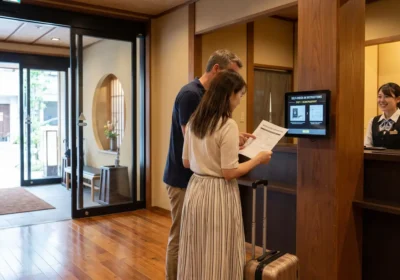
Some capsule properties are easy to book in English. Others rely on Japanese instructions, machine check-in or rules posted at the property. If you cannot read the relevant instructions, small issues can become tiring after arrival.
Japan Hand helpers are available in a range of languages beyond English, depending on location and request. They can assist with practical communication such as phone calls, route explanations and station navigation. Outcomes that depend on a property policy remain at the property’s discretion.
How Japan Hand can help without overcomplicating the night
If capsules Japan are part of a simple overnight plan and you understand the route, you may not need Japan Hand. It is often enough to reserve carefully, pack a small overnight bag and arrive within the property’s stated rules.
Help becomes useful when the accommodation is only one piece of a more difficult transfer. A helper can meet you at an airport or station, guide you through ticket machines, identify the correct platform, assist with luggage decisions or call a property in Japanese to clarify rules. For complex stations, Japan Hand offers station navigation help that can reduce confusion without turning the evening into a formal sightseeing activity.
Japan Hand is not limited to Tokyo and Kyoto. Requests can be made across Japan, including regional cities, small towns, islands and rural destinations where English information is limited. If a cheaper or simpler option is obvious, Japan Hand can say so. If something cannot be done, such as securing a booking at a property that will not accept the conditions, that should be made clear before you rely on it.
Every request is quoted before anything is agreed. The price depends on the specifics, including location, timing, language and the work involved.
Frequently Asked Questions
Are capsules Japan suitable for first-time visitors? They can be suitable for confident first-time visitors with light luggage and a clear route. If arrival, ticket machines or station transfers worry you, arrange the transport plan before choosing a capsule.
Can couples stay together in a capsule hotel? Some properties offer paired or cabin-style options, but many capsule hotels separate sleeping areas by gender or assign individual units. Check the exact room category and property rules before booking.
Are capsule hotels safe for solo female travellers? Japan is generally safe for solo travellers, but safety and comfort are not the same issue. Look for women-only floors or properties with clear access control, well-explained facilities and a location you can reach easily.
Can I bring large luggage into a capsule hotel? You can usually bring luggage to the property, but you may not be able to keep it beside your capsule. Confirm locker sizes and storage rules, especially during multi-city travel.
Do capsule hotels work for travellers with mobility needs? Sometimes, but many are unsuitable because of upper capsules, narrow spaces or shared facilities. Confirm step-free routes, lift access, bathroom distance and lower-unit availability before booking.
Final decision
If capsules Japan solve one simple overnight problem, they can be a sensible choice. If the night also involves large luggage, children, mobility requirements, language barriers or a late arrival in an unfamiliar station, plan the support around the stay rather than judging only the sleeping unit.
For help with arrival, station transfers, luggage forwarding or Japanese-language confirmation, contact Japan Hand through the contact form. Share your date, location, luggage details and what you need clarified. Japan Hand will review the request and provide a quote with no obligation.