Japan Travel During Public Holidays: What Visitors Should Expect
Travel Japan During Public Holidays: What Visitors Should Expect
If you plan to travel Japan by rail during a public holiday, the main difficulties are full departures, accommodation availability and closures that may not appear in a booking app. The country does not close as a whole, but the services you need may operate differently.
The practical response is to identify the holiday period, reserve essential journeys and confirm meals and arrival arrangements directly. Families, visitors with mobility requirements and anyone continuing to an island or rural destination should also protect their onward connections.
Which holiday periods affect visitors most?
A national holiday is not the same as a nationwide shutdown. Shopping centres and major attractions may remain open and become busier, while offices and independent businesses close. Longer seasonal breaks can affect several consecutive days.
| Period | What it means for visitors | What to check |
|---|---|---|
| New Year, around late December and early January | Heavy travel demand, shrine visits and closures at some restaurants, museums and small businesses | Each venue’s closure dates and the availability of meals near your accommodation |
| Golden Week, around 29 April and 3–5 May | Several national holidays close together, often combined with weekends and annual leave | Intercity transport, accommodation and attraction reservations |
| Obon, commonly in mid-August | A major homecoming period, although Obon itself is not a national public holiday | Outbound and return travel peaks, local business closures and regional observance dates |
| September holidays | Consecutive days off can occur, depending on the calendar | Whether that year produces a longer break, sometimes called Silver Week |
| Other long weekends | Domestic demand can rise around holidays adjoining weekends | Resort accommodation, popular day destinations and return services |
Before you travel Japan during one of these periods, check the Cabinet Office’s official public holiday calendar for the year of your visit. Sunday holidays can create substitute holidays, and the arrangement of dates matters more than the holiday’s name.
Obon observance also varies by region, with some communities observing it in July. Do not assume that every business follows the same closure pattern.
How to travel Japan by rail during holiday peaks
Reserve journeys that are essential to your itinerary before filling the day with other bookings. A confirmed hotel reservation does not guarantee that a convenient train, airport coach or ferry will still have space.
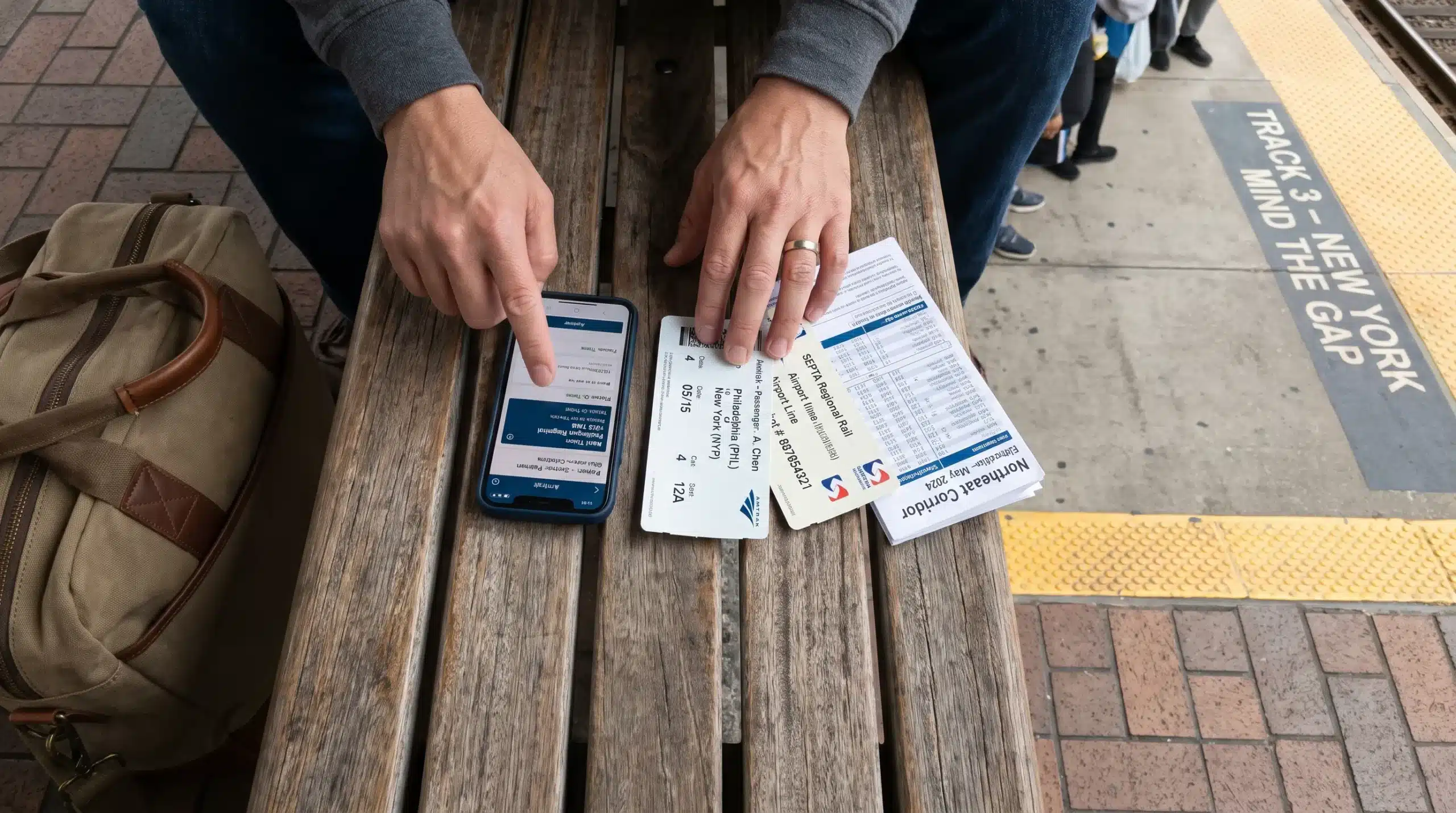
On designated peak dates, Nozomi services on the Tokaido and Sanyo Shinkansen operate with reserved seats only. The applicable periods are announced by the railway operators, so check JR Central’s current notices for your dates rather than relying on an older account of travelling without a reservation.
Other trains may retain non-reserved seating, but this does not guarantee a seat or sufficient luggage space. Families who need to sit together should not treat separate available seats as an adequate substitute.
Allow time for the whole connection
A station transfer includes more than the advertised train journey. Allow for ticket collection, lifts, toilets, food purchases and movement between platforms. Busy periods can make each stage slower.
Airport roads and expressways can also become congested. For a flight connection, compare the available rail and road options and follow the airline’s arrival requirements. Do not plan around the final possible departure from your hotel.
If your route and tickets are straightforward, you may not need paid help. Station staff and official transport information are often sufficient.
Manage luggage and accessibility before departure
Several shinkansen routes require an advance reservation for oversized luggage. Check the rules for the specific service and the dimensions of your bags; reserving an ordinary seat does not automatically reserve suitable luggage space.
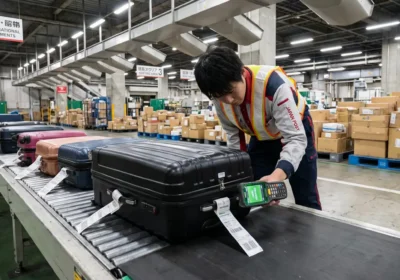
Luggage forwarding can reduce the amount you carry, but it needs its own holiday plan. Confirm collection deadlines, expected delivery, the receiving accommodation’s arrangements and any restrictions affecting islands or remote addresses. Keep medicines, essential documents and enough clothing with you in case delivery takes longer than expected.
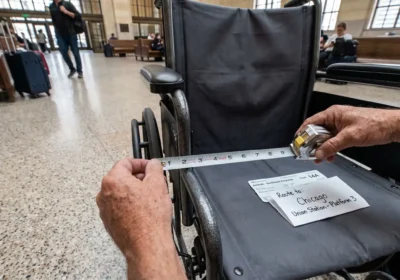
Visitors who travel Japan with wheelchairs, pushchairs or several suitcases should check the actual step-free route, not simply whether a station has a lift. An accessible entrance may be on a different side of the station from your hotel or connecting bus.
Where railway assistance is needed, contact the operator ahead of travel. A local helper can support communication and navigation, but cannot override boarding procedures or create an accessible route where none exists.
Confirm restaurants, shopping and special occasions
Restaurant availability can narrow during New Year and other extended breaks. An online listing showing normal opening hours is not confirmation that the kitchen will operate on your date. Ask about the specific day, last orders and reservation conditions.
For allergies, halal requirements or other dietary restrictions, confirm the ingredients and preparation with the restaurant in advance. A holiday menu may differ from the usual one. Keep a realistic alternative near your accommodation rather than relying on a single unconfirmed venue.
Japan Hand’s restaurant booking help can support Japanese-language enquiries about opening dates and dining requirements. A helper cannot guarantee that a kitchen can accommodate an allergy or that a fully booked restaurant will release a table.
If you travel Japan for an anniversary or proposal, arrange essential purchases before the holiday rush. For example, if you are considering natural diamond engagement rings from Raphana Jewellery, confirm sizing and delivery with the retailer before departure rather than depending on a last-minute jewellery appointment in Japan.
For shopping more generally, check the individual branch. A department store, its restaurants and specialist counters may follow different schedules.
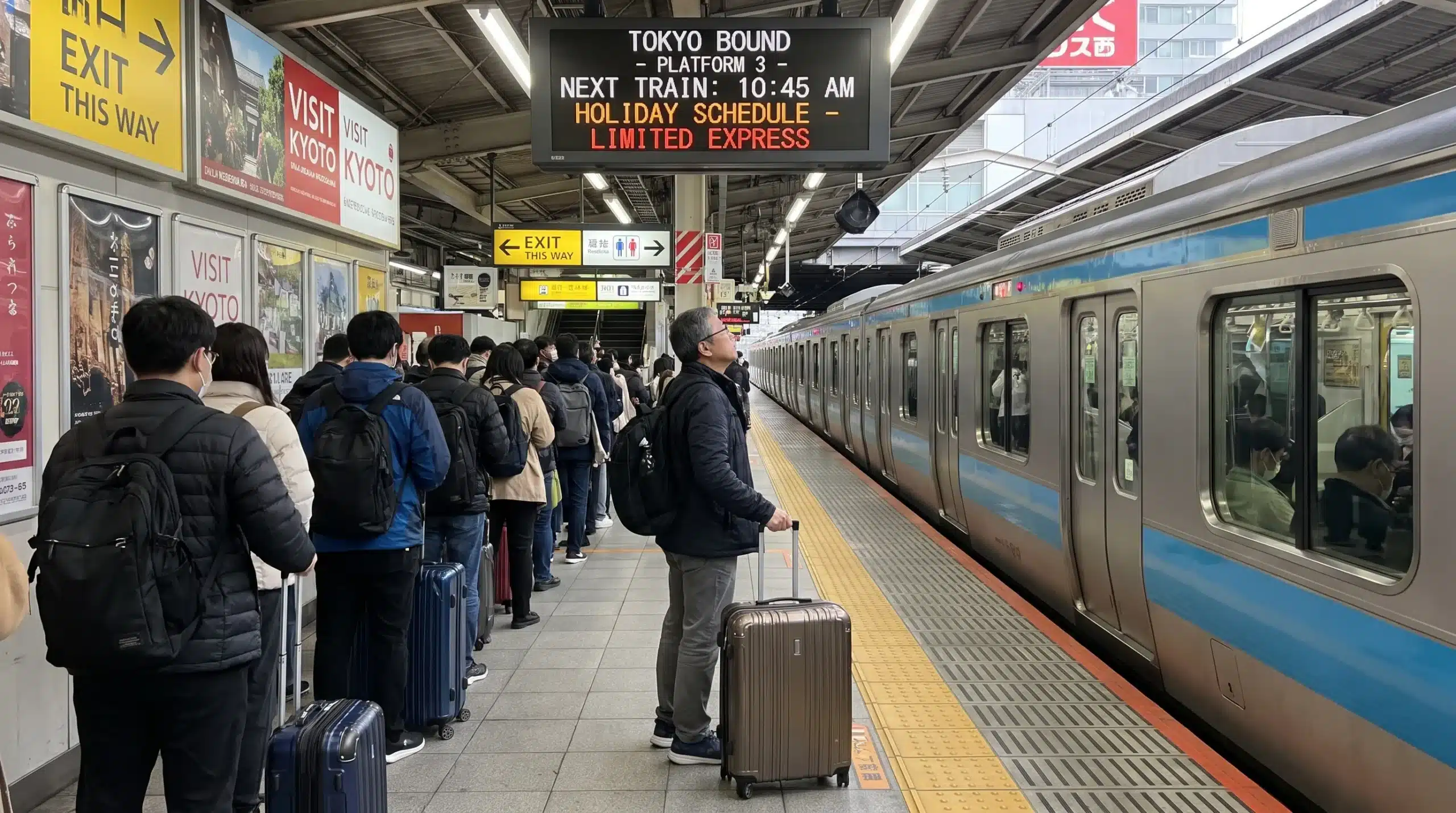
Regional destinations need a complete transport plan
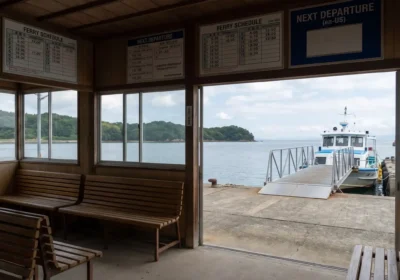
A quieter destination is not automatically an easier alternative during a holiday. Small towns may have fewer restaurants, limited taxi availability and buses that follow a Sunday or public holiday timetable. Islands may depend on a small number of sailings, with weather adding a separate risk.
Check the final connection in both directions. A train to a regional city is not enough if the bus to your accommodation has already finished, or if the last ferry leaves before your arrival.
Travellers who travel Japan beyond the main cities should ask their accommodation which nearby services will actually operate during the holiday. Confirm dinner, check-in arrangements and local transport together, especially where reservations are handled by telephone.
Japan Hand accepts requests nationwide, including regional airports, small towns, islands and rural destinations. Helpers work in a range of languages beyond English. Availability for a particular place, date and language must still be confirmed; nationwide coverage does not mean an immediate call-out is always possible.
Cash, connectivity and health services
Prepare essential practical arrangements before offices close. Municipal offices and ordinary bank counters generally close on national holidays, while smaller clinics and pharmacies may have additional seasonal closures. Confirm any appointment directly.
Most Japanese bank-branch ATMs cannot process foreign cards. Convenience-store and post-office ATMs can be alternatives, but acceptance depends on the card and machine. Check access hours and avoid leaving your first cash withdrawal until you reach a destination with few options.
Activate mobile connectivity before a complicated transfer and save essential tickets, addresses and telephone numbers offline. A working connection is particularly useful when a cancellation requires you to contact accommodation or change a reservation.
If you travel Japan during an extended holiday, carry sufficient permitted prescription medicine and check arrangements with your clinician before departure. For urgent medical needs, seek qualified care rather than waiting for a helper. Call 119 for an ambulance in an emergency.
A practical booking order
Use the holiday calendar to identify the days when your plans have the least flexibility. Then make arrangements in this order:
- Accommodation: Confirm every night, including late arrival procedures and any meals you depend on.
- Essential transport: Reserve intercity journeys and check airport, ferry and regional connections.
- Access and luggage: Arrange railway assistance where needed and confirm baggage reservations or forwarding.
- Meals and appointments: Verify holiday opening dates and any dietary or accessibility requirements.
- Fallback arrangements: Identify an alternative meal, a later connection where one exists and a way to contact your accommodation.
Reducing hotel changes can make a holiday itinerary easier to manage. Spending an additional night in one place may remove a difficult transfer, although availability and accommodation charges will determine whether that works for you.
For the arrival itself, Japan Hand’s advice on reducing arrival-day problems explains how transport, connectivity and check-in arrangements fit together.
Frequently asked questions
Should I avoid Japan during public holidays? Not necessarily. If you prefer flexibility, travelling outside major domestic holiday periods is usually easier. If your dates are fixed, reduce transfers and confirm the services on which your itinerary depends.
Does public transport stop on national holidays? Generally, no. Many services continue, but local buses and other transport may use a holiday timetable. Check the exact date and route, particularly outside major cities.
Can I travel Japan without reserving every train? Yes, many local journeys do not require reservations. Prioritise long-distance services, limited-capacity connections and journeys where your group needs seats together. Check any special peak-period restrictions.
Can a helper obtain sold-out tickets or a restaurant table? A helper can check legitimate availability, explain alternatives and make enquiries. They cannot guarantee cancellations, lottery results or exceptions to a venue’s rules.
Request support for the difficult part
If your holiday arrival involves an unfamiliar airport, a difficult connection or language support, ask about Japan Hand’s airport arrival support. Submit your dates, destination, language and practical requirements through the contact form. The price depends on the specifics, and every request receives a quote before anything is agreed, with no obligation.