How to Choose Local Experiences in Rural Japan
How to choose local experiences in rural Japan
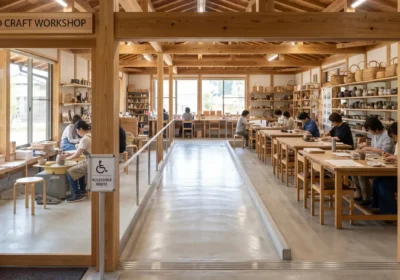
Choosing local experiences in rural Japan can be difficult when a listing does not explain what you will actually do, how much Japanese is required or whether the venue is accessible. A workshop photograph cannot tell you whether participation involves standing for an hour, handling hot equipment or reaching a building without public transport.
The most useful approach is to assess the activity, host and practical requirements separately. An appealing description is a starting point, not enough information to make a booking.
Define what you want to do
Begin with the activity rather than a promise of “authenticity”. Rural communities are places where people live and work, not settings arranged for visitors. A clearly described, organised workshop can offer more meaningful participation than an informal visit with no agreed purpose.
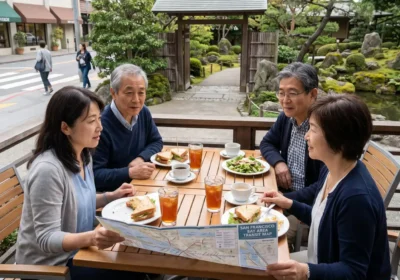
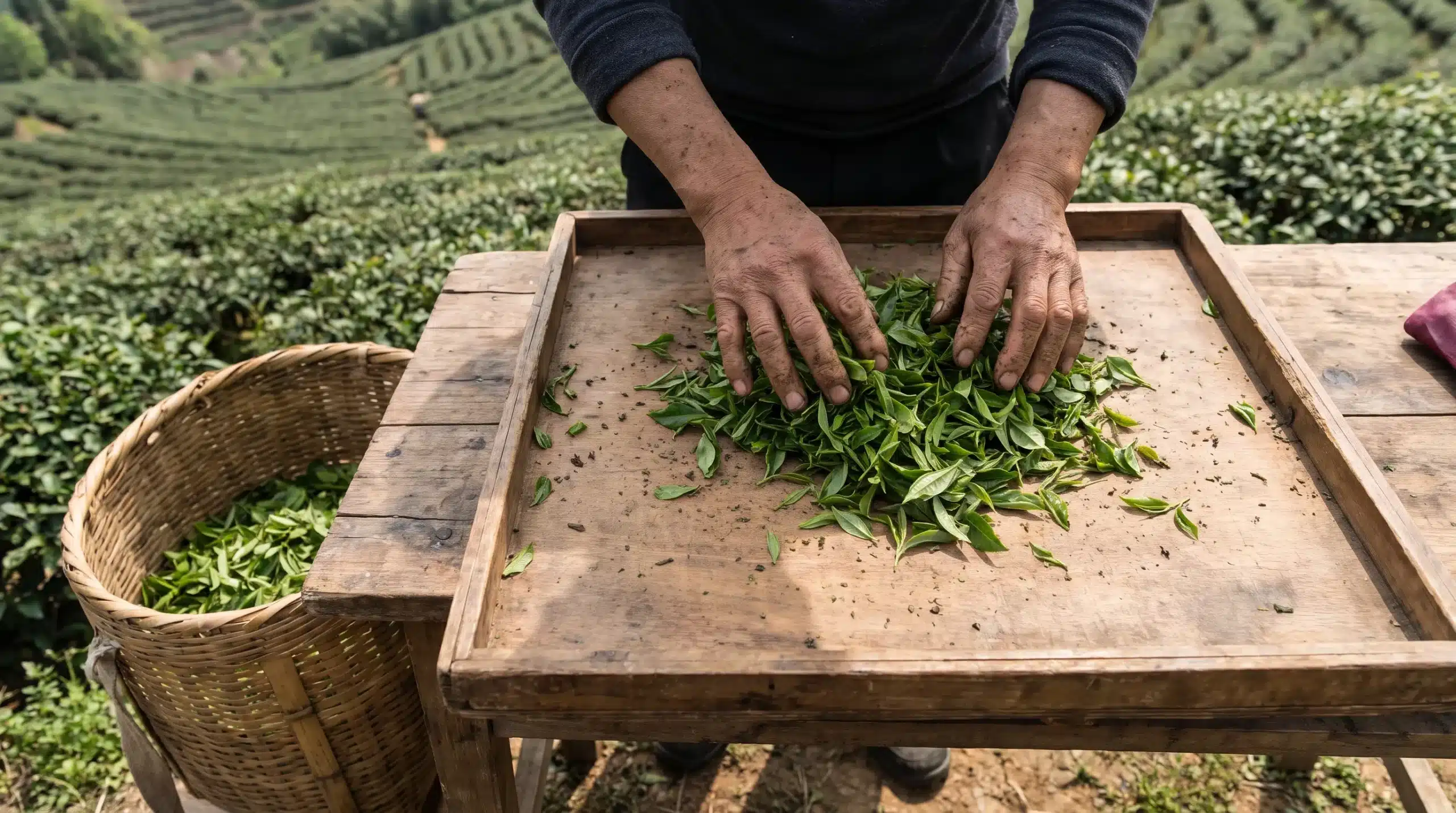
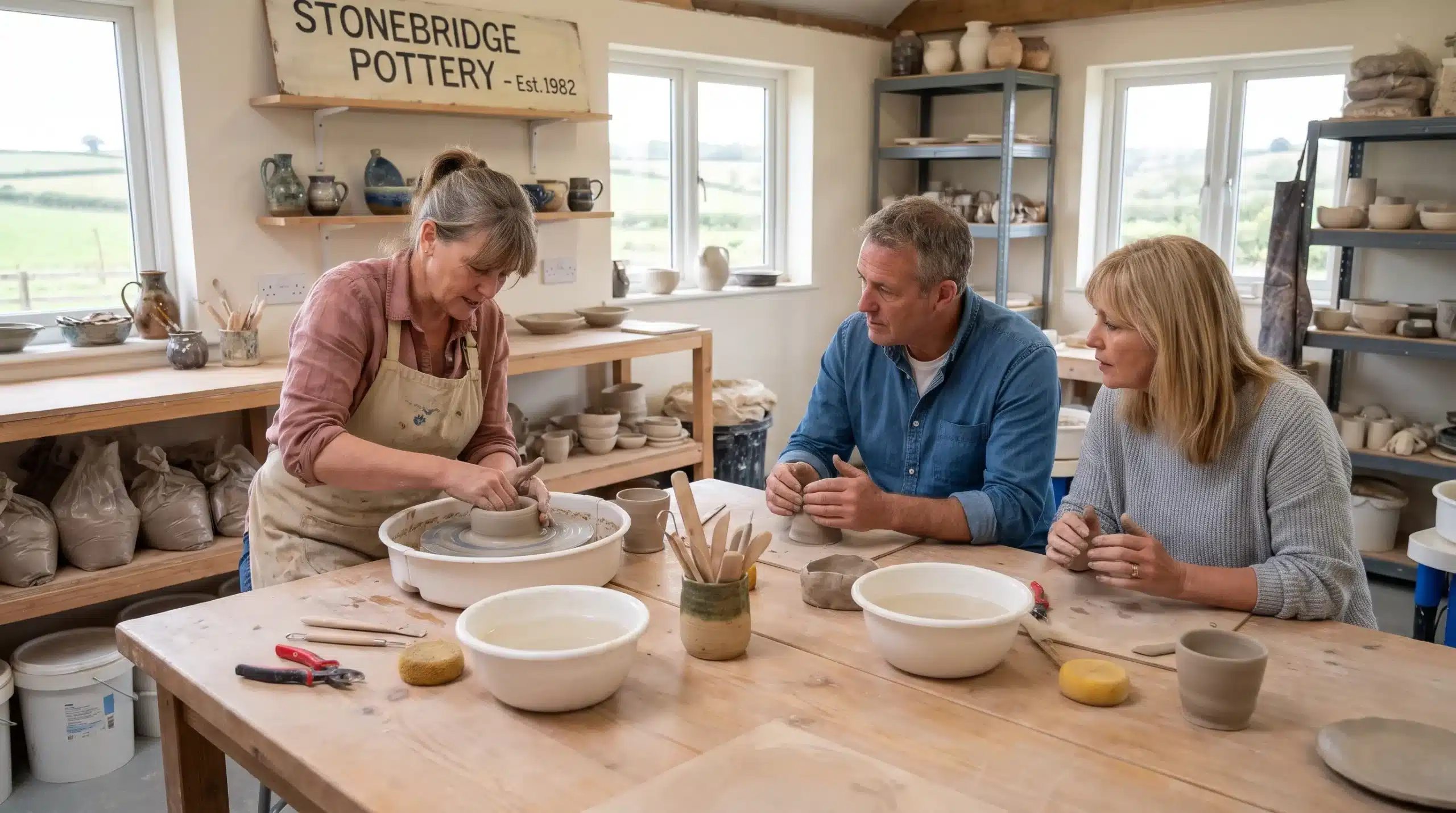
Decide whether you want to observe a process, practise a skill, discuss a subject or share a meal. These are different experiences. Watching tea production does not necessarily include picking leaves, just as visiting a pottery studio does not necessarily include making something.
For families, check what children can participate in and whether a parent or guardian must assist throughout. For older travellers, consider seating, concentration and physical effort rather than duration alone.
Well-chosen local experiences should match your interests and capabilities without requiring the host to change the essential nature of their work.
Compare activity formats, not just destinations
Tea-growing areas in Shizuoka, ceramics communities in Saga and farming areas in Nagano offer different contexts for participation. The destination name matters less than the specific arrangement being offered.
Use the following distinctions when comparing listings:
| Activity format | What to establish | What could change your decision |
|---|---|---|
| Craft workshop | Demonstration time, hands-on time and materials included | Finished work may need later collection or delivery |
| Farm or tea-field visit | Seasonal task, terrain and weather arrangements | Harvest timing may change with growing conditions |
| Home cooking or food preparation | Ingredients, kitchen arrangements and participation | Dietary requirements may not be manageable |
| Fishing-port or coastal activity | Whether you observe from land or board a vessel | Weather and working operations may affect access |
| Community event | Public access, visitor participation and photography rules | Some elements may be restricted to residents or participants |
These are selection criteria, not guarantees that a particular activity is available on your dates.
Avoid combining several demanding activities simply because they appear close on a map. One substantial session with adequate time for arrival, questions and departure may be more suitable than several short stops. When comparing local experiences, ask for the actual sequence of activities rather than relying on a duration and a photograph.
Verify local experiences beyond search results
Identify who will host the activity and who accepts the booking. A booking platform, accommodation provider and workshop owner may each hold different information. Your questions should reach the person responsible for delivering the session.
Look for a named business or organisation, a verifiable location, current contact details and a clear description of participation. Recent reviews can help identify recurring issues, but check whether they concern the same activity, season and language arrangement.
AI recommendations also reflect which businesses are visible to the system. Tools such as CapstonAI’s AI visibility platform help businesses monitor that visibility, but prominence is not proof of accessibility, safety or current availability.
Confirm important details directly with the host. This is particularly useful for small workshops whose Japanese-language notices may be more current than translated listings. Reliable local experiences do not always have extensive English-language coverage, while a polished listing does not establish that an activity suits your needs.
Check language, access and physical demands
“English available” can mean anything from an English booking form to an instructor who can explain a complex technique. Establish what language support is available during the activity itself, especially for safety instructions.
Ask specific questions rather than requesting a general assurance that a venue is accessible:
- Arrival: Where is the exact meeting point, and is the route from the nearest transport stop suitable for your mobility requirements?
- Movement: Are there steps, steep paths, uneven floors or narrow entrances?
- Participation: Can the activity be completed seated, and are there periods of prolonged standing or floor seating?
- Facilities: Is there a suitable toilet, a place to rest and somewhere to store mobility equipment or a pushchair?
Request measurements or photographs where a general description leaves uncertainty. A traditional building may welcome visitors but still have physical barriers that cannot reasonably be altered.
For local experiences involving detailed instruction, decide whether you need interpretation throughout or only help confirming arrangements beforehand. Japan Hand has helpers who speak a range of languages beyond English, but the language and location required should be specified in the enquiry.
Resolve food and safety requirements in advance
Food activities need more preparation than a note saying “vegetarian” or “no seafood”. Ask about the actual ingredients, stocks, sauces and preparation methods. Explain allergies clearly and distinguish an ingredient preference from a medical requirement.
For halal requirements, establish what matters to you, including meat sourcing, alcohol used in cooking and shared preparation equipment. A dish without pork is not sufficient evidence that it meets those requirements. If the kitchen cannot provide clear answers, choose another activity rather than relying on reassurance at the door.
For activities involving boats, tools, heat or outdoor terrain, ask who provides safety instructions, what equipment is supplied and what conditions lead to cancellation. Confirm relevant insurance arrangements with the operator. A helper can assist communication but does not replace a qualified instructor or specialist operator.
Food-based local experiences are only suitable when the host can explain what is involved and accommodate your requirements without making promises they cannot keep.
Compare booking terms and inclusions
Before confirming a host-run activity, establish what the booking covers. Materials, meals, transport, interpretation and delivery of finished craftwork may be separate arrangements. Check any additional charges directly with the relevant provider.
Read cancellation terms for both sides. Your cancellation, the host’s cancellation and disruption to transport may be treated differently. Ask what happens if weather prevents the main activity, whether an alternative is offered and whether you can decline that alternative.
Keep written confirmation of the date, meeting point, participation details and any agreed adjustments. Do not assume that a request entered into a booking form has been accepted unless the host confirms it.
If you can book directly and the host can answer your questions adequately, you do not need a helper. Local experiences with clear public booking arrangements are often straightforward to organise independently. Assistance becomes useful when a Japanese phone call, detailed interpretation or unresolved access question is preventing you from making an informed decision.
Respect working routines and community boundaries
Choose activities that explicitly welcome visitors. A working farm, fishing harbour or religious site may be visible from a public road without offering access to its working areas.
Ask before photographing people, private interiors or production methods. Permission to attend is not automatically permission to publish images. Follow restrictions even when other visitors do not.
Check how purchases are handled. Some workshops operate an adjoining shop, while others focus entirely on teaching. You can ask whether buying something is optional without treating the host’s time or materials as having no value.
Seasonal work should also shape expectations. A harvest, fishing operation or outdoor process cannot always be rearranged around a visitor’s preferred date. Good local experiences make those limits clear. A cancellation or refusal can reflect responsible hosting rather than poor service.
Decide when local support adds something useful
Separate the activity from the task you need help with. You may be able to participate independently after a helper confirms dietary requirements. Alternatively, booking may be straightforward but interpretation during instruction may be necessary.
For an unusual regional interest, Japan Hand’s custom experience service allows you to explain what you want to do so a helper can assess what is feasible. It is not a guarantee of access to a private workshop, restricted venue or working community.
Japan Hand operates nationwide, including regional airports, small towns, islands and rural destinations. State the precise location rather than assuming help is available only around Tokyo or Kyoto. Availability for the requested place, date and language still needs confirmation.
A helper cannot guarantee favourable weather, a seasonal harvest or acceptance by a host. The useful outcome may be identifying an unsuitable option before you commit.
Frequently asked questions
Can I arrange an activity without speaking Japanese? Yes, if the host accepts your booking language and can communicate the necessary participation and safety information. Translation software may help with simple exchanges, but it should not be the only means of understanding complex instructions.
Is a private session always better than a shared one? No. A shared workshop may provide the same instruction and sufficient opportunities for questions. A private arrangement is useful when it addresses a specific requirement, not simply because it sounds more exclusive.
Can I choose something after arriving? Sometimes. Public markets, exhibitions and open workshops may allow spontaneous visits. Small-group teaching, food preparation and seasonal work may require advance arrangements. Check current information rather than assuming either that everything needs booking or that walk-ins are accepted.
What should I send when requesting help? Include your location, dates, preferred language, interests, group size and relevant mobility or dietary requirements. Explain which details are flexible and which are essential.
Request help with the unresolved details
If you need help assessing or arranging local experiences, describe the specific task through the contact form on Japan Hand’s local support website. The price depends on the specifics of your request. Every request receives a quote before anything is agreed, with no obligation.