Travel to Japan Requirements Visitors Should Check Before Departure
Checking travel to Japan requirements can be confusing when airline instructions, visa information and arrival forms appear to overlap. The rules depend on your passport, your intended activities and the length of your stay. This checklist separates entry conditions from practical preparation, with particular attention to U.S. passport holders and links to official sources you should check again before departure.
Travel to Japan Requirements Visitors Should Check Before Departure
Start with your passport nationality
Japan’s visa exemptions depend primarily on the passport you will use, not simply your country of residence. Living in the United States does not give a non-U.S. citizen the same entry eligibility as a U.S. passport holder.
For ordinary U.S. passport holders, Japan’s visa-exemption arrangements generally permit short visits of up to 90 days for tourism and other permitted temporary activities. They do not authorise employment. Check Japan’s official visa-exemption list, including any conditions attached to your nationality or passport type.
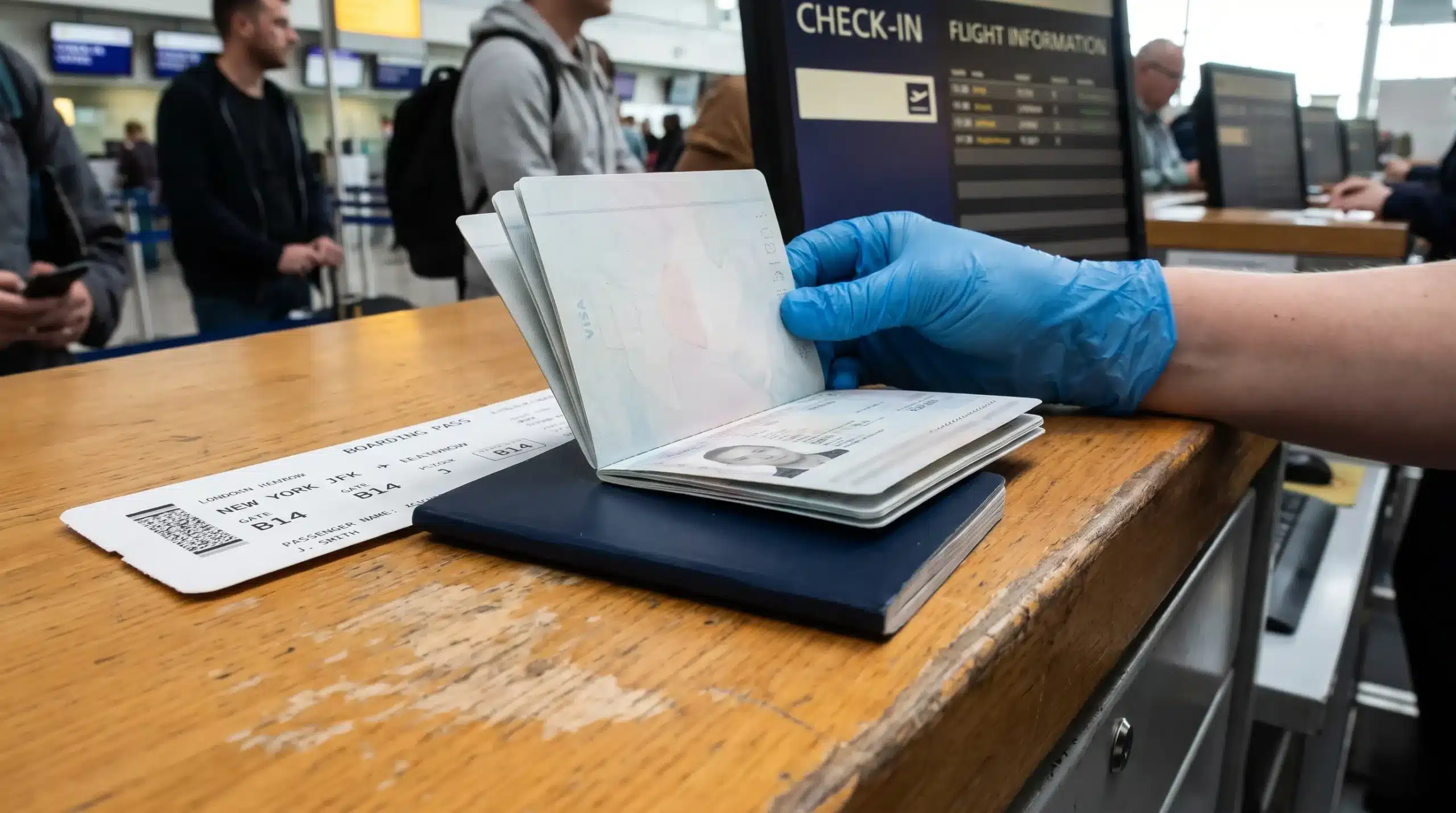
U.S. visitors should have a passport valid throughout their stay and at least one blank page, as explained in the U.S. Department of State’s Japan entry information. Do not assume that a blanket six-month validity rule applies to Japan. Transit countries and airlines may impose separate requirements.
Match your permission to your purpose
Your travel to Japan requirements depend on what you intend to do, not just how long you plan to stay.
Tourism, visiting relatives and certain unpaid business activities may fall within temporary visitor arrangements. Employment, study, residence and some other activities require different permission. A short stay does not automatically make an activity permissible, and payment from outside Japan does not by itself settle the immigration position.
Long-stay visitors and people planning to work remotely should check the appropriate immigration category rather than assuming tourist entry covers their plans. If your circumstances involve previous immigration difficulties or uncertainty about permitted activities, consult the Japanese embassy or consulate responsible for your residence, or a qualified immigration professional.
If you need a visa
Begin with the Ministry of Foreign Affairs’ visa application information. Confirm the required category, application channel and documents with the relevant embassy or consulate.
Japan’s electronic visa system is available only to eligible applicants under its current conditions. It is not a universal alternative to a consular application.
Documents may include an itinerary, accommodation information, financial evidence or papers supplied by an inviting organisation. Requirements differ by category and jurisdiction. Do not rely on another applicant’s checklist or assume a processing period is guaranteed. A visa also does not guarantee landing permission at the border.
Separate required documents from supporting evidence
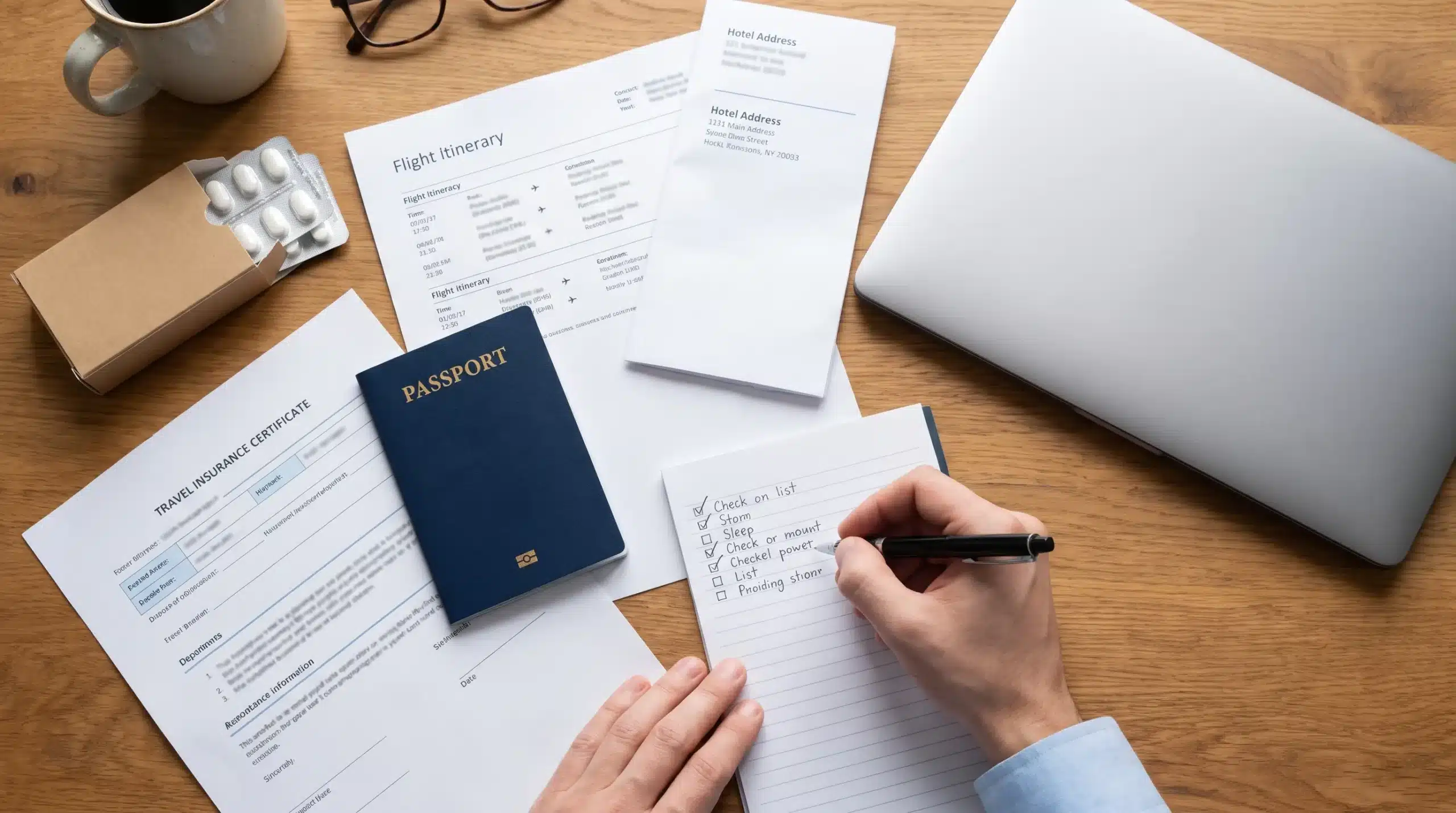
When checking travel to Japan requirements, distinguish documents you must hold from evidence an airline or immigration officer may request.
| Document or information | How to treat it |
|---|---|
| Valid passport | Essential for international entry; check validity and available pages |
| Japanese visa, where required | Obtain it through the correct process before travel |
| Return or onward ticket | Normally required for visa-exempt short visits; check airline requirements too |
| First accommodation address | Keep the full address and contact details available for arrival procedures |
| Itinerary and evidence of funds | Be prepared to explain your plans and ability to support your stay |
| Travel insurance documents | Sensible preparation, but not a general entry requirement for ordinary tourists |
There is no single spending figure that proves every visitor has sufficient funds. The relevant evidence depends on the visit and any visa application requirements.
Keep essential records accessible without mobile data. Carry your passport securely and retain separate copies of its identification page and relevant permissions. Copies help with recovery if documents are lost, but they do not replace the originals at immigration.
Understand what Visit Japan Web does
Visit Japan Web is the Japanese government service for preparing immigration and customs information online. Use the official service rather than a commercial website presenting an arrival form as something every visitor must purchase.
It can reduce repeated data entry on arrival, but it is not a visa application, electronic travel authorisation or guarantee of admission. Visit Japan Web helps record information; it does not establish that you meet travel to Japan requirements.
Online registration is generally optional for ordinary visitors, with paper procedures available. Follow the current instructions for your arrival airport, since the equipment and processing arrangements can differ.
Check every passport number, name and flight detail carefully. Parents or guardians should follow the system’s instructions for accompanying children rather than assuming one adult’s registration completes every family member’s formalities. Keep the necessary confirmation accessible as directed by the service.
Check medicines, health measures and customs separately
Visa eligibility does not settle what you may carry into Japan. Medicines, food and other restricted goods have their own rules, while any health measures should be checked against your travel dates.
Prescription and non-prescription medicines
Some medicines available legally elsewhere are restricted or prohibited in Japan. Others require import confirmation or a separate permission, depending on the substance and quantity. A prescription from your home country does not override Japanese restrictions.
Consult the Ministry of Health, Labour and Welfare’s information on bringing medicines into Japan before packing. Check active ingredients rather than relying only on brand names, including for non-prescription products.
Ask the relevant authority about any required approval well before departure. A prescribing clinician or pharmacist can help identify ingredients and discuss continuity of treatment, but Japanese authorities determine import permission.
Health measures, insurance and dental preparation
Health-related travel to Japan requirements should be checked separately from visa eligibility. Japan ended routine COVID-19 vaccination and pre-departure testing requirements on 29 April 2023. That historical change is not a guarantee about future conditions; review the government’s current border health information and any transit-country rules before flying.
Review insurance cover for existing conditions, emergency treatment and medical evacuation. Dental cover may have separate limits. Discuss unresolved dental problems with a dentist before departure; readers in Pakenham can contact Integrated Dental Care about general or emergency dental care.
Food, plants and other declarations
Meat products, fruit, plants and other agricultural items may be prohibited or require inspection and documentation. Food intended for a child, a gift or personal consumption is not automatically exempt.
Check Japan Customs’ passenger information and the relevant quarantine instructions before packing. Cash declarations and duty-free allowances are separate from immigration eligibility. If you are uncertain about an item, ask the responsible authority rather than assuming a declaration makes it permissible.
Prepare for arrival without confusing it with entry permission
Once you have checked travel to Japan requirements, prepare the practical arrangements that follow border clearance. These are not usually conditions of tourist entry, but they can prevent avoidable difficulties.
Keep your first accommodation’s name and address in Japanese, together with check-in instructions. Confirm how you will reach it, especially after a late arrival or at a regional airport with limited onward connections.
Arrange a way to access booking details and contact your accommodation. Carry more than one workable payment method. Most Japanese bank branch ATMs cannot process foreign cards; convenience store and post office ATMs can, although acceptance still depends on the card and machine.
If you need step-free routes, assistance with children and luggage or communication in a particular language, confirm this before departure. Japan Hand provides station navigation help for practical assistance after arrival. It cannot replace airline assistance procedures, immigration permission or official document checks.
Travel to Japan requirements: final departure checks
Recheck official information before making non-refundable commitments, then review it again close to departure. Airline staff may need evidence that you meet the destination’s entry conditions before allowing you to board.
- Confirm the passport and visa conditions for every accompanying traveller, including children travelling with their parent or guardian.
- Check the rules for every transit country, including any airport change or overnight connection.
- Keep onward travel evidence, accommodation details and required permissions accessible.
- Verify medicine approvals and restrictions on food or other goods in your luggage.
- Complete your chosen arrival procedure and retain access to the necessary records.
- Review current government notices and your airline’s document instructions.
If two sources conflict, obtain clarification from the responsible Japanese authority and your airline. A forum answer, accommodation employee or local helper cannot give a binding immigration decision.
Frequently asked questions
Do U.S. citizens need a tourist visa for Japan? Ordinary U.S. passport holders generally qualify for visa-exempt short visits of up to 90 days for permitted temporary activities. Confirm the current conditions before departure, particularly if your plans extend beyond tourism or visiting family.
Can I complete Japan’s arrival card online? Eligible visitors can prepare immigration and customs information through Visit Japan Web. This does not replace a visa where one is required. Follow the official instructions for your circumstances and arrival airport.
Do I need six months remaining on my passport? For ordinary U.S. visitors, Japan generally requires validity throughout the stay rather than an additional six months. Check your own nationality’s conditions, transit rules and airline instructions.
Can a helper resolve missing entry documents at the airport? No. A helper cannot waive visa rules, authorise entry or guarantee boarding. Document problems must be addressed with the airline and relevant authorities.
Arrange support for the arrival itself
If your documents are in order and you are comfortable with the onward journey, you may not need paid help. For language or practical assistance, Japan Hand offers airport arrival support nationwide, including regional airports and connections to small towns, islands and rural destinations. Helpers work in a range of languages beyond English. Describe your location, timing and needs through the contact form on the Japan Hand website. Every request receives a quote before anything is agreed, with no obligation.